
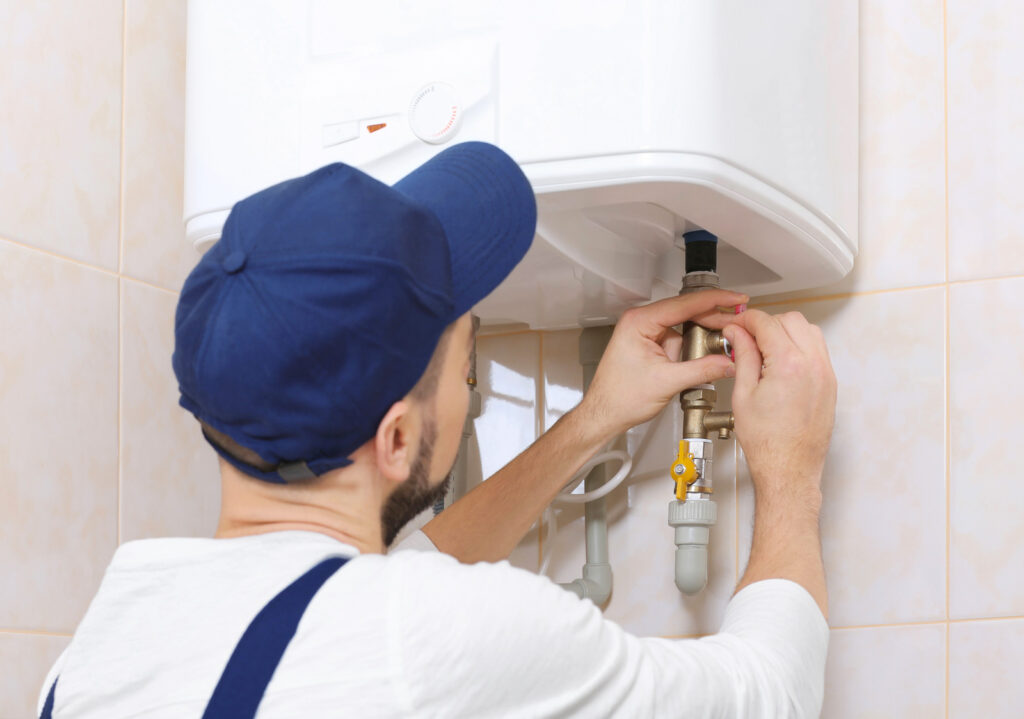
Nobody thinks about their water heater. Until there’s no hot water. Then it’s suddenly the only thing that matters. If the unit’s old, making strange noises, or just finally gave up a proper Water Heater Installation is what’s needed. But here’s where most homeowners get tripped up: they just grab whatever’s cheapest or closest to what they had before. That usually works out fine. Sometimes it really doesn’t. This guide covers the actual decisions worth thinking through the type of system, the size, the cost, and why who installs it matters more than most people realise.
Tank or Tankless: That’s the Real Question
Most of the time, this is the first fork in the road. And both options are genuinely good. It just depends on the home.
Tank Water Heaters
Tank water heaters store a set amount of hot water usually somewhere between 30 and 80 gallons and keep it ready around the clock. They’re the traditional option. Familiar, widely stocked, and cheaper upfront. Most residential plumbing services providers can install one in a few hours.
The catch is standby heat loss. The unit’s heating water at 3am whether anyone’s using it or not. Over a year that adds up. And if a busy household drains the tank during the morning rush — cold water until it recovers. That said, for bigger families or homes with high simultaneous demand, a properly sized tank unit handles it well. Reliable. Predictable. Not glamorous, but it works.
Tankless Water Heaters
Tankless water heaters heat water on demand only when a tap is turned on. No storage, no standby loss. They’re among the better hot water solutions for people focused on efficiency, and they deliver hot water continuously without running out.
The downsides are real though. Higher upfront cost. Whole-home units can struggle if the dishwasher, a shower, and the washing machine all run at once. In colder climates the incoming water temperature slows things down. And depending on the home’s existing setup, installation can get complicated. But for smaller households, or anyone serious about cutting energy bills long-term, tankless water heaters are increasingly the smarter pick. More on the efficiency angle in a moment.
Energy Efficiency: Does It Actually Save Money?
Yes. Genuinely. Energy-efficient water heating isn’t just a marketing line it shows up in actual monthly bills. The U.S. Department of Energy puts water heating at around 18% of a home’s total energy use. That’s not a small slice.
High-efficiency tankless water heaters running on gas regularly hit 90%+ efficiency ratings. Heat pump models can be two to three times more efficient than standard electric units. Over a 10 to 15 year lifespan, that gap is significant. Worth checking: a lot of utility companies offer rebates for qualifying energy-efficient water heating upgrades. It doesn’t always get mentioned at the point of sale. Ask before buying.
Sizing It Right: This Part Gets Ignored Too Often
Wrong size means real problems. Too small and the household runs out of hot water constantly. Too large and energy gets wasted heating water nobody uses.
For tank water heaters, general sizing guidelines go like this:
- 1–2 people: 30–40 gallon tank
- 3–4 people: 40–50 gallon tank
- 5+ people: 50–80 gallon tank
For tankless water heaters, it’s about flow rate gallons per minute (GPM) matched against how many fixtures might run at the same time. A good residential plumbing services provider will do this calculation properly. Don’t skip it.
What a Proper Water Heater Installation Actually Involves
It’s more than just swapping out units. Depending on the home and the system, a full Water Heater Installation can include:
- Safely disconnecting and removing the old unit
- Checking or upgrading gas lines or electrical connections
- Installing new water supply lines and a pressure relief valve
- Venting work (especially for gas tankless water heaters)
- Permits and inspections where required locally
Gas line work especially that needs a licensed professional. Full stop. Qualified residential plumbing services teams know what local codes require and have seen every weird situation a house can throw at them. This isn’t a job to cut corners on.
Signs It’s Time to Replace (Not Just Repair)
Sometimes a repair makes sense. But after a certain point it usually doesn’t. Watch for these:
- Unit is 10+ years old (tankless units can push 15–20)
- Rusty or discoloured water coming from hot taps
- Rumbling, popping, or banging from the tank
- Hot water inconsistency sometimes fine, sometimes not
- Moisture or corrosion around the base of the unit
For tank water heaters past the 10-year mark, replacement is almost always more cost-effective than repeated repairs. Truth be told, an aging unit running at reduced efficiency is quietly costing money every month anyway.
Picking the Right Installer
This part matters more than people give it credit for. A few things worth confirming before hiring anyone for a Water Heater Installation:
- Licensed and insured not optional
- Experience with both tank water heaters and tankless water heaters
- Upfront pricing that includes permits and old unit disposal
- Solid local reviews, not just a website that looks good
- Warranty on labour, not just the equipment
Get two quotes minimum. A trustworthy provider from a reputable residential plumbing services company won’t dodge the question about total cost. If they do that’s a red flag.
FAQs
Should I install a tank or tankless water heater?
If long-term energy savings matter and the budget allows, tankless water heaters are usually the stronger choice. For straightforward replacements on a tighter budget, tank water heaters still deliver reliable performance. Factor in the existing gas or electric setup and typical daily hot water use before deciding.
How much does water heater installation cost?
A standard Water Heater Installation for tank water heaters typically runs $800–$1,500 fully installed. Tankless water heaters cost more usually $1,500–$3,500+ depending on capacity and fuel type. Always get a full quote from residential plumbing services providers that includes permits, labour, and disposal of the old unit.
How long does a water heater installation take?
A like-for-like Water Heater Installation typically takes 2–4 hours. Switching from tank water heaters to tankless water heaters, or running new gas lines, can stretch to a full day. Most experienced residential plumbing services teams complete standard jobs in a single visit with no drama.