
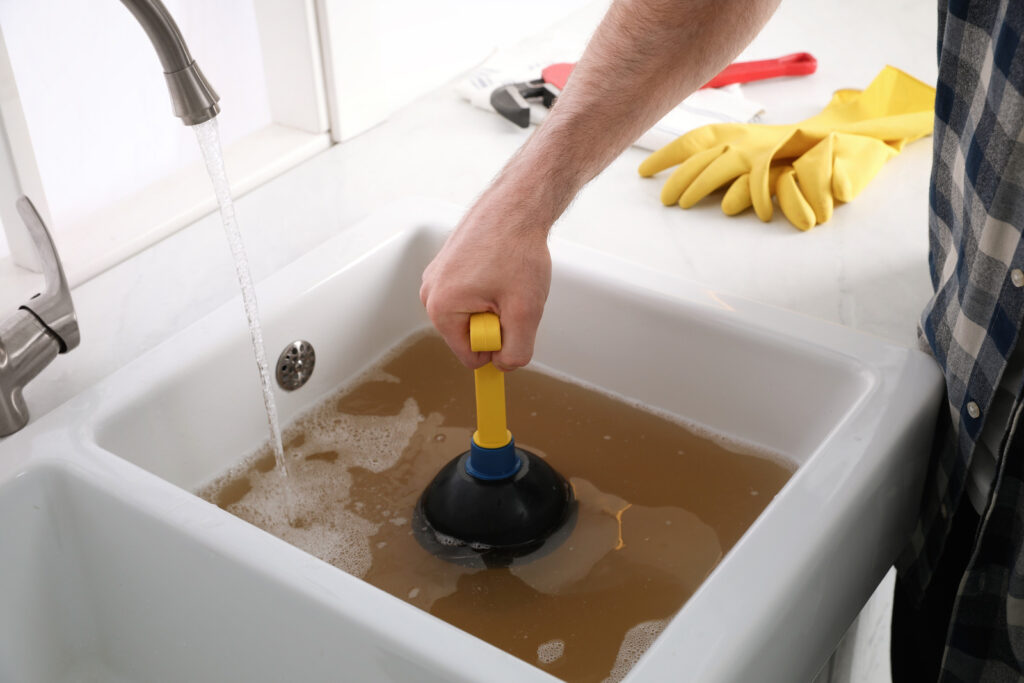
A slow drain is easy to ignore. It still works, after all just… slowly. But that little warning sign has a way of turning into a fully blocked pipe at the worst possible moment. Weekend guests arriving. A sink full of dishes. A shower that’s now basically a standing bath.
Knowing when to handle it yourself and when to call a proper Clogged Drain Service is genuinely useful. Not every blockage needs a plumber. But some really do and waiting too long makes the job bigger, messier, and more expensive. This post breaks down what actually causes drain blockages, which signs mean trouble, and when plumbing repairs go beyond what a bottle of drain cleaner can fix.
What’s Actually Blocking the Drain
Most blocked pipes don’t happen overnight. They build up. Slowly. Layer by layer until something finally stops moving. Understanding what causes it helps avoid the repeat cycle.
Hair and Soap Scum
Bathroom drains are the biggest offenders. Hair wraps around the drain trap and catches everything else soap residue, skin cells, product buildup. It compounds fast. A few weeks of normal showering and the drain’s already running slower than it should. This one’s usually fixable at home with a drain snake or a simple tool that hooks the clog out. Not glamorous. But it works.
Grease and Food Waste
Kitchen drains deal with a different problem. Grease goes down the drain as liquid and solidifies as it cools inside the pipe. Food scraps, even small ones catch on that grease buildup and the blockage grows. Truth be told, this is one of the more stubborn residential blockages. Grease sticks. It doesn’t respond well to most DIY attempts, and over time it can cause sewer line issues that go well beyond the kitchen sink.
Mineral Buildup
Hard water areas and there are plenty of them see a lot of limescale and mineral deposits inside pipes. It narrows the pipe gradually. Water pressure drops. Drains get sluggish. This kind of blockage rarely announces itself loudly. By the time it’s obvious, drain cleaning often requires professional equipment to clear properly. A plunger won’t touch it.
Foreign Objects
Wipes. Cotton pads. Dental floss. Kids’ toys. Anything that gets flushed or dropped down a drain that wasn’t meant to go there. These cause sudden, hard blockages rather than the slow-build type. If something’s gone down that shouldn’t have, it’s usually worth calling a Clogged Drain Service sooner rather than later. Digging around blindly can push the object further into the line.
Tree Roots
This one surprises homeowners. Tree roots seek out moisture and they’re very good at finding it. Small cracks in older pipes become entry points, and roots grow inside the line sometimes for years before there’s an obvious blockage. When sewer line issues involve roots, it’s not a plunger situation. It requires specialist equipment and, sometimes, pipe replacement.
DIY vs. Calling a Professional: Where’s the Line?
Most people try to fix a slow drain themselves first. Reasonable. A basic clog near the surface hair, a small food buildup, or something reachable can often be cleared with a plunger, a hand snake, or a drain cleaning product.
But there are clear signs that it’s moved past DIY territory.
- Multiple drains are slow or blocked at the same time
- There’s a gurgling sound from toilets or other drains when water runs
- Water is backing up into other fixtures
- There’s a persistent sewage smell with no obvious source
- The same drain keeps blocking despite repeated clearing
Any one of these points to something deeper. Possibly sewer line issues. Possibly a serious buildup in the main line. Either way, this is where a professional Clogged Drain Service needs to come in. According to the Environmental Protection Agency, water damage from plumbing failures including sewer backups is one of the leading causes of property damage in homes. Getting ahead of it matters.
What Professionals Actually Do Differently
A professional drain cleaning service isn’t just someone with a longer snake. The tools and methods are genuinely different. Hydro jetting uses high-pressure water to blast through blockages and scrub the inside of pipes clean. It clears grease, scale, roots almost anything. It’s also the only method that actually cleans the pipe rather than just punching a hole through the clog. Camera inspection is another standard tool. A small camera fed through the line shows exactly what’s happening inside where the blockage is, what’s causing it, and whether the pipe itself is damaged. Removes the guesswork entirely. For sewer line issues involving roots or pipe damage, trenchless repair methods now mean lines can often be relined or repaired without digging up the yard. That’s changed the scope of what qualifies as a manageable plumbing repair significantly. Let’s face it, none of that’s available at the hardware store.
When It Becomes an Emergency
Some situations don’t wait for a convenient appointment time. Sewage backing up into the home. Complete blockage in the main line. Water damage starting from a backup that wasn’t caught early enough. This is where emergency drain service becomes necessary. Most reputable plumbing companies offer it 24/7 response for situations that genuinely can’t wait until Monday morning. The cost is higher. Worth it when the alternative is sewage sitting on a bathroom floor overnight. Emergency drain service exists for a reason and calling it at the right time limits the damage significantly.
Prevention: The Boring But Effective Stuff
Regular drain cleaning maintenance isn’t exciting. But it’s a lot cheaper than plumbing repairs after a major backup.
- Use a drain cover or hair catcher in shower and bath drains
- Never pour cooking grease down the kitchen sink ever
- Run hot water through kitchen drains after washing up
- Only toilet paper goes down the toilet. Nothing else
- Schedule a professional drain cleaning service every 1–2 years as routine maintenance
That last one gets skipped constantly. But a single annual or biannual visit from a Clogged Drain Service professional catches buildup before it turns into a blockage and before a blockage turns into a plumbing repair bill.
FAQs
When should I call a drain cleaning service?
If multiple drains are slow at once, water is backing up into fixtures, or there's a gurgling sound when water runs call a Clogged Drain Service professional. Recurring blockages in the same drain are another clear sign. DIY fixes work for surface clogs; deeper issues in blocked pipes or the main sewer line need specialist equipment.
Can a clogged drain damage my plumbing?
Yes, and more than most people expect. Persistent blocked pipes increase pressure in the line, which stresses joints and seals over time. Sewage backups cause water damage fast. Ignored sewer line issues involving roots or pipe cracks can eventually require full line replacement. Early plumbing repairs are almost always less costly than waiting.
How do professionals clear blocked drains?
Professional drain cleaning typically involves a motorised drain snake for standard blockages, or hydro jetting for tougher buildup like grease or mineral scale. Camera inspection identifies the exact location and cause before work begins. For sewer line issues involving roots or pipe damage, trenchless repair techniques are often used to restore the line without excavation.