
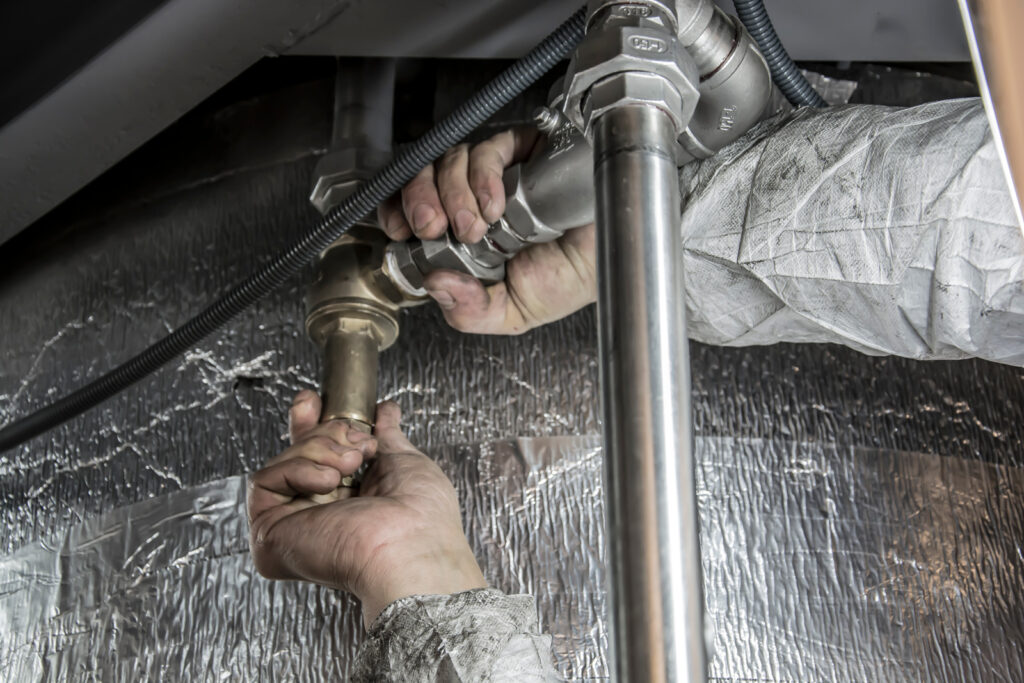
The Pipe That’s Been Dripping for Three Weeks Is Already a Bigger Problem Than It Looks
Water damage doesn’t announce itself. It hides inside walls, under slabs, behind finished ceilings and by the time it’s visible, the secondary damage is usually well underway. Pipe Repair Ottawa homeowners and property managers need done right isn’t just about stopping the immediate drip. It’s about understanding what caused it, what the pipe condition actually looks like around the failure point, and whether a spot repair is the right call or whether it’s buying a short delay before the next failure.
Ottawa’s climate adds its own wrinkle. Freeze-thaw cycling every spring. January cold snaps that find any inadequately insulated pipe in an exterior wall or unheated crawl space. Aging housing stock particularly in Westboro, Hintonburg, and the older east-end neighbourhoods where original plumbing hasn’t been touched in fifty years. The city’s pipe repair picture is specific. The solutions have to match it. This post covers the full range pipe leak repair for minor failures, burst pipe repair Ottawa for emergency situations, underground and trenchless options, and honest cost numbers for this market. No estimates pulled from national averages that don’t apply to what Ottawa contractors are actually charging.
Types of Pipe Failures: Not All Repairs Are the Same
The word “pipe repair” covers a wide range of actual situations. Getting the right fix starts with understanding which category the problem falls into.
- Pinhole leaks in copper supply lines. Copper pipe develops pinhole corrosion from the inside typically in areas with aggressive water chemistry or where stray electrical currents are present. One pinhole is a warning. Multiple pinholes in the same run mean the pipe wall is compromised across a wider section. Patching one pinhole in a pipe that’s developing corrosion throughout is a temporary measure, not a repair.
- Joint failures. Solder joints in copper, compression fittings in flexible supply lines, threaded connections in older galvanized systems. These fail from vibration, thermal cycling, or simply age. Joint repairs are often straightforward but only if the pipe in the area of the joint is in good condition. A joint failure on a pipe that’s corroded throughout is a symptom, not the problem.
- Burst pipes. Sudden, high-volume failures almost always from freezing, water hammer, or catastrophic corrosion failure. Burst pipe repair Ottawa situations require the water to be shut off immediately and a plumber on site as fast as possible. The pipe failure is the secondary problem. The water damage accumulating while the pipe is open is the primary one. Every minute matters.
- Drain pipe failures. Cracked, offset, or collapsed drain sections common in older cast iron systems and aging ABS installations. These show up as recurring slow drains, backups, or sewer odour. The failure is often inside the wall or under the slab where it can’t be seen without a camera.
- Underground supply or sewer lateral failures. Underground pipe repair is its own category entirely with different diagnostic methods, different repair approaches, and significantly different cost from above-ground work. More on this below.
Ottawa’s Climate and What It Does to Pipes
Ottawa winters are genuinely hard on plumbing. The city regularly sees sustained temperatures below -20°C and freeze-thaw cycles that stress pipe connections and buried lines repeatedly through a single season. This isn’t background information, it’s the primary driver of a significant portion of emergency pipe repair calls the city sees every winter and early spring.
The specific freeze-related vulnerabilities in Ottawa homes:
- Exterior wall pipe runs. Pipes running through exterior walls without adequate insulation freeze during cold snaps. Older homes, pre-1980 builds in particular often have original supply runs in exterior walls that were adequately insulated for the energy standards of the time but not for sustained -25°C exposure. A pipe that’s frozen once without bursting has experienced stress. It’s more vulnerable the next time.
- Unheated crawl spaces. A common Ottawa condition. Pipes running through unheated crawl spaces need heat tape or insulation wrap or they freeze. Properties where heat tape has burned out or disconnected unknowingly are one call away from a burst pipe when January arrives.
- Vacant properties in winter. A house that’s left unheated during an estate sale, a renovation project, or an extended absence becomes a burst pipe waiting to happen. The insurance consequences of a vacant property with inadequate heating can be significant. Most insurers have specific requirements for winter vacancy.
- Garage-adjacent plumbing. Supply lines running through attached garages, especially to laundry connections or utility sinks, are exposed to outdoor temperatures when the garage door is open or the garage isn’t heated. A common source of freeze damage that catches property owners off guard.
After all, pipe failures in Ottawa aren’t random. They follow predictable patterns that experienced local plumbers know before they open the door.
Emergency Pipe Repair: What to Do Before the Plumber Arrives
In a burst pipe repair Ottawa situation or any significant pipe failure the actions taken in the first ten minutes matter more than almost anything that follows. Water accumulating inside a wall cavity or above a finished ceiling causes structural damage, mold conditions, and insurance complications that dwarf the cost of the pipe repair itself.
Steps in order:
- Shut off the main water supply immediately. Every property owner should know where this valve is and confirm it operates before an emergency. A seized main shutoff during a burst pipe situation is a genuine problem; the valve that hasn’t been turned in twenty years often won’t turn under pressure.
- Cut the electricity to any areas where water is accumulating near electrical panels, outlets, or fixtures. Water and live circuits are a safety emergency on top of the plumbing emergency.
- Open taps at the lowest point in the house to drain pressure from the lines and reduce ongoing flow.
- Document the damage with photos and video before any cleanup begins insurance documentation starts at the moment of discovery, not when the adjuster arrives.
- Call a plumber with genuine 24-hour emergency availability, not just an answering service that will schedule a morning call.
What not to do: use pipe repair clamps or tape as anything other than a short-term measure while waiting for the plumber. These products work for containment. They don’t fix the underlying pipe condition and they shouldn’t be treated as repairs.
The plumber worth calling in an emergency is the same one worth vetting before the emergency. Having that number saved is not an overreaction.
Underground Pipe Repair: When Digging Isn’t the Only Option
- Underground pipe repair used to mean one thing: excavate. Open the yard, expose the pipe, replace the failed section, and restore the surface. That’s still sometimes the right approach when the failure is localised, accessible, and the surrounding pipe is in good condition. But it’s not the only option anymore, and in many Ottawa situations it’s not the best one.
- Trenchless pipe repair Ottawa methods have made significant inroads in the local market over the past decade. Two main approaches:
- Cured-in-place pipe lining (CIPP). A flexible liner saturated with epoxy resin is inserted into the existing pipe and inflated against the pipe wall. The resin cures to form a structurally independent liner inside the host pipe sealing cracks, joint failures, and root entry points without excavation. The liner has its own service life of 50-plus years when properly installed. Works on drain lines, sewer laterals, and some supply applications.
- Pipe bursting. A bursting head is pulled through the existing pipe, fracturing it outward while simultaneously pulling a new pipe into place. Used for full replacement rather than repair when the existing pipe is too degraded to line. Trenchless, but requires access pits at each end of the run.
- The case for trenchless pipe repair Ottawa property owners should understand: excavation costs aren’t just the digging. They’re the surface restoration replacing a driveway, relaying landscaping, repairing a finished basement floor. In many Ottawa situations, the trenchless method costs comparable or less than open-cut when total project cost is calculated. Get both options priced before committing to either.
A plumber who only offers excavation for underground repairs isn’t offering the full picture. That’s worth noting.
Plumbing Pipe Fixes: What Lasts and What Doesn’t
Plumbing pipe fixes run a wide range of quality. Some are appropriate for the situation. Some are shortcuts that delay the inevitable while making the eventual repair more complicated.
What actually works long-term:
- Section replacement with same-diameter pipe in matching material, the standard repair for localised supply line failures
- Full joint removal and resolder on copper systems where the pipe itself is in good condition
- Slip coupling repairs on accessible above-slab drain failures fast, code-compliant, durable when the surrounding pipe is sound
- Epoxy pipe lining for underground systems where excavation is costly or disruptive
- Full run replacement for galvanized steel supply lines galvanized corrodes from the inside; once it starts failing at one point, adjacent sections are on the same timeline
What doesn’t work as a permanent solution:
- Pipe repair tape and clamps, useful for emergency containment only, not code-compliant as a repair
- Partial relining of a heavily degraded system, lining buys time but doesn’t address surrounding pipe condition
- Spot repair on corroded galvanized supply line, the failure point may be the most advanced spot, but the corrosion is distributed throughout the run
The honest version: a pipe leak repair that’s sized correctly for the actual pipe condition is what lasts. A repair that’s sized for convenience or for a lower invoice is what generates the callback six months later.
Pipe Repair Cost in Ottawa: Real Numbers
What Ottawa plumbers are actually charging for common pipe repair work in 2024:
- Service call and diagnostic: $80 – $150 (often credited toward repair if work proceeds)
- Copper pinhole leak repair: accessible location: $200 – $450
- Copper section replacement: per linear foot including fittings and labour: $150 – $300
- Burst pipe emergency repair: standard accessible location: $350 – $900 depending on severity and time of call
- Galvanized supply line replacement: full run from shutoff to fixture: $800 – $3,500 depending on length and access
- Sewer lateral camera inspection: $200 – $400
- Trenchless CIPP lining: sewer lateral: $3,000 – $8,000 depending on pipe diameter and length
- Open-cut sewer lateral replacement: $6,000 – $18,000 including surface restoration
- After-hours emergency surcharge: $100 – $250 added to standard rates
These numbers reflect licensed work with proper materials and pulled permits where required. Quotes significantly below these ranges should prompt questions about what’s being skipped licensing, insurance, permit, material grade.
Water damage repair costs in the event of a plumbing failure run independently from the pipe repair itself. The Insurance Bureau of Canada notes that water damage is now the leading cause of home insurance claims in Canada exceeding fire, theft, and other property claims combined. The pipe repair is rarely the expensive part of a plumbing failure. The water damage remediation is.
Frequently Asked Questions
How much does pipe repair cost in Ottawa?
Accessible copper leak repairs run $200–$450. Burst pipe emergency repair costs $350–$900 depending on severity and timing. Galvanized supply line replacement runs $800–$3,500 for a full run. Underground sewer lateral repair ranges from $3,000–$8,000 for trenchless lining to $6,000–$18,000 for open-cut replacement with surface restoration. After-hours emergency calls add $100–$250 to standard rates.
What causes pipes to burst?
Freezing is the most common cause in Ottawa water expands when it freezes, building pressure that ruptures the pipe wall. Corrosion-related failures are second particularly in older galvanized steel and cast iron systems where internal degradation eventually causes catastrophic failure. Water hammer from rapid valve closure and manufacturing defects in fittings account for a smaller share of burst pipe events.
Can pipes be repaired without digging?
Yes, for underground drain and sewer lines. Trenchless cured-in-place pipe lining (CIPP) installs a structural epoxy liner inside the existing pipe from access points at each end no excavation required. Pipe bursting pulls new pipe through the old one. Both methods are viable alternatives to open-cut for many Ottawa underground pipe repair situations, often at comparable or lower total cost when surface restoration is factored in.