
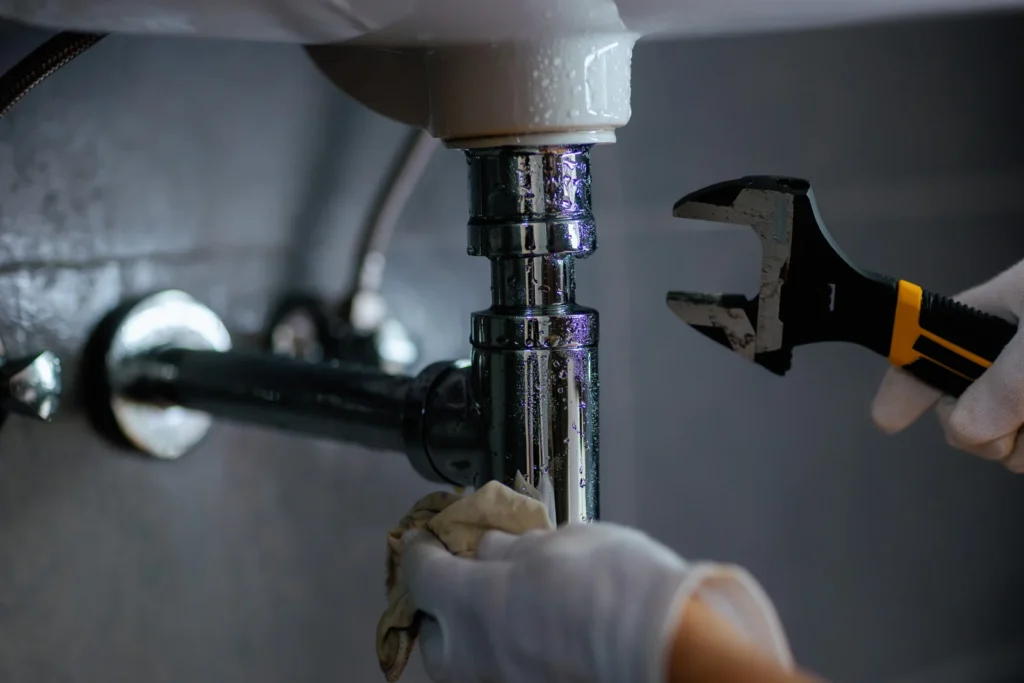
A Plumbing Failure in a Commercial Building Isn’t an Inconvenience, It’s a Business Problem
A burst pipe in a home is disruptive. The same failure in an office building, a restaurant, a medical clinic, or a light industrial facility in Nepean’s commercial corridors is a different order of problem entirely. Customers can’t enter. Staff can’t work. Inventory gets damaged. Regulatory compliance gets complicated. Commercial Plumbing Services Nepean businesses need aren’t just technically sound; they have to be fast, code-compliant, and delivered by plumbers who understand what’s at stake when the system fails in an occupied facility.
This post covers what commercial plumbing actually involves at the Nepean business level from the mixed-use retail strips along Merivale Road to the industrial parks off Colonnade and the medical facilities near Baseline. What services businesses need, what the common failure points are, what compliance actually requires, and what to look for before handing any plumbing contractor access to a building’s systems. Commercial plumbing isn’t residential plumbing at a larger scale. Different codes, different fixture loads, different inspection requirements, different consequences when it goes wrong. The commercial plumbers Nepean facilities need are specialists and knowing the difference matters before anyone starts pulling permits.
What Commercial Plumbing Services Actually Include
The scope of industrial plumbing services and commercial plumbing is considerably wider than most business owners realise until they’re in the middle of a problem. A qualified commercial plumbing contractor handles:
- New construction rough-in for commercial and multi-unit buildings, sizing supply mains, designing drain-waste-vent systems for high fixture counts, coordinating with mechanical and structural trades
- Tenant improvement plumbing, adding washrooms, kitchenettes, or specialised plumbing for a new commercial tenant fit-out
- Grease interceptor installation and service, mandatory for any food service operation connecting to Nepean’s municipal sanitary system
- Backflow preventer installation and annual certification, required for commercial properties under Ontario regulations and City of Ottawa by-laws
- Commercial water heater and boiler systems, sizing, installation, and preventive maintenance for high-demand applications
- Commercial pipe repair and replacement, both supply and drain systems, including in-place pipe lining for systems where excavation isn’t practical
- Plumbing compliance inspections, pre-occupancy, change-of-use, and regulatory compliance checks
- Emergency response for occupied facilities, after-hours burst pipes, drain backups, equipment failures that can’t wait for the next business day
That list looks long because commercial plumbing large-scale plumbing systems actually are complex. A restaurant with a commercial kitchen, a grease interceptor, a dishwasher connection, multiple hand sinks, and a floor drain system is a different project from a two-bathroom office suite. The contractor needs to be matched to the type of facility, not just the nearest available plumber.
Nepean’s Commercial Landscape: What the Local Buildings Actually Have
Nepean isn’t a uniform commercial market. The plumbing challenges on Merivale Road’s older retail strip are different from what shows up in the newer industrial parks off Colonnade Road, which are different again from the medical and professional facilities concentrated near Baseline and Clyde.
- Older retail and mixed-use buildings: Merivale, Greenbank corridors. Buildings from the 1970s and 1980s have cast iron drain stacks that are reaching the end of life. Supply systems in this era may still have galvanized steel sections. When a tenant does a renovation, these systems often get exposed for the first time in decades and what’s behind the walls isn’t always what the drawings show. Commercial pipe repair work in these buildings frequently turns into partial or full system replacement once the scope of degradation becomes visible.
- Industrial and light manufacturing: Colonnade, Hawthorne areas. Process plumbing, floor drain systems with oil interceptors, compressed air lines that often run alongside plumbing in the same ceiling space. Industrial plumbing services for manufacturing and warehousing facilities require contractors who understand both the system complexity and the compliance requirements for industrial discharge.
- Medical and dental facilities: Baseline, Clyde, Queensway corridors. Backflow prevention requirements are stricter here than in standard commercial applications. Dental offices require specific vacuum plumbing and amalgam separator connections. Medical facilities have infection control requirements that affect plumbing fixture selection and installation methods. Not every commercial plumber is equipped for this. Verify specific experience before hiring.
The building type and its age determine what the plumbing system actually has in it. A contractor who walks a facility before pricing is doing their job. One who quotes from a description over the phone is guessing.
Plumbing Compliance and Safety: What Nepean Businesses Are Actually Required to Do
- Plumbing compliance and safety requirements for commercial properties in Nepean operate under Ontario’s Building Code, the Ontario Water Resources Act, and City of Ottawa by-laws. A few requirements that catch business owners off guard:
- Backflow preventer certification. Commercial properties connected to the municipal water supply are required to have approved backflow prevention devices installed and certified annually by a licensed tester. This isn’t optional and it’s not discretionary. The City of Ottawa enforces this and sends compliance notices. An expired backflow preventer certification is a code violation that can affect occupancy status.
- Grease interceptor maintenance. Food service operations are required to maintain their grease interceptors which means regular pumping and documentation of service. An interceptor that isn’t being serviced doesn’t just create drain problems, it creates municipal bylaw violations and potential environmental liability. The City of Ottawa’s sewer use bylaw is specific about discharge standards.
- Change-of-use plumbing review. When a commercial tenant changes the use of a space converting an office to a restaurant, adding a medical washroom, introducing a commercial kitchen the existing plumbing system may not be adequate for the new fixture load or use type. A permit and inspection is required. Skipping it creates compliance problems that surface at the next building inspection or insurance renewal.
- Cross-connection control. Anywhere a non-potable system could potentially connect to the potable water supply car washes, irrigation systems, boilers, HVAC humidification cross-connection control devices are required. These need to be installed correctly and maintained.
Truth be told, most businesses find out about these requirements when they receive a compliance notice not before. A commercial plumber who raises these issues proactively during an inspection or maintenance visit is earning their fee.
Plumbing Maintenance for Businesses: What Gets Skipped Until It’s Expensive
- Plumbing maintenance for businesses sits low on most facilities managers’ priority lists until something fails. That’s backwards. The failure events that shut down operations drain backups, burst pipes, water heater outages almost always have warning signs that routine maintenance catches.
- What a commercial plumbing maintenance program covers:
- Annual system inspection. Checking visible supply lines and fittings for early corrosion, testing shutoff valves to confirm they operate (seized shutoffs are one of the most common emergency complicators), inspecting water heaters and boilers for signs of sediment or pressure issues, and confirming backflow preventer function. One visit per year. Low cost. High preventive value.
- Drain maintenance. High-use commercial drains, restaurant floor drains, public washroom systems, commercial kitchen sinks accumulate grease, soap, and organic material faster than residential systems. Regular hydrojetting keeps these clear and prevents the kind of backup that closes a kitchen during service.
- Plumbing maintenance for businesses that include scheduled drain cleaning are consistently cheaper than emergency drain calls.
- Water heater servicing. Commercial water heaters running constant demand cycles need annual inspection and anode rod assessment. A failed water heater in a restaurant, gym, or hotel isn’t just inconvenient, it affects the facility’s ability to operate. Preventive service extends equipment life and catches failure signs before they become a same-day emergency.
- Documentation. Maintenance records matter for insurance claims, tenant disputes, regulatory compliance, and building sale due diligence. A commercial plumber providing maintenance services should be producing written service reports, not just showing up and leaving.
After all, a plumbing system that’s never been looked at since the building opened is a system that’s accumulating deferred maintenance. That maintenance doesn’t disappear.
Commercial Pipe Repair: When Maintenance Becomes Emergency Work
Even well-maintained systems eventually need repair. Commercial pipe repair in occupied buildings introduces constraints that residential work doesn’t have businesses that can’t close, tenants whose operations can’t be interrupted, regulatory requirements for water restoration timelines in medical and food service settings.
Common commercial pipe failures in Nepean’s building stock:
- Cast iron drain stack failure older buildings with original cast iron stacks develop cracks and joint failures as the material ages, often showing up first as recurring slow drains before progressing to full blockage or collapse
- Galvanized supply line corrosion internal corrosion reduces flow and eventually creates pinhole leaks inside walls; pressure drops at multiple fixtures simultaneously are the diagnostic indicator
- Slab leaks supply or drain lines running under concrete slabs that develop leaks; often detected first by unexplained water bills or visible floor moisture
- Expansion joint failures in high-temperature systems boiler and hot water recirculation lines experience more thermal cycling than cold supply systems; joints and connections in these systems fail earlier and more frequently
For buildings where pipe replacement would require major disruption, cutting concrete, opening finished ceilings, relocating operations, pipe lining technology is worth asking about. Cured-in-place pipe lining installs a structural liner inside existing pipes without excavation, restoring function and extending system life. Not applicable to every situation, but increasingly common in occupied commercial buildings where the disruption of traditional replacement is prohibitive.
A commercial plumber who presents multiple repair options including less disruptive alternatives is operating at a professional level. One who immediately defaults to the most invasive approach isn’t necessarily wrong, but the reasoning should be explained.
Finding the Right Commercial Plumbers in Nepean: What to Actually Check
The commercial plumbers Nepean facilities hire should be verifiable on a few specific points before any contract is signed:
- Master plumber licence. Commercial work of any complexity should be supervised by a licensed master plumber, not just a journeyperson. The Ontario College of Trades issues certificates of qualification. Ask for the licence number and verify it. For backflow preventer testing, a specific certification is required to confirm the technician holds it.
- Commercial-specific project experience. A plumber who does excellent residential work isn’t automatically equipped for a commercial grease interceptor installation or a medical office backflow prevention system. Ask specifically about experience in the facility type restaurant, medical, industrial, retail. References from comparable facilities matter more than a general portfolio.
- Emergency availability and response time. Commercial facilities can’t wait two days for an emergency response. Confirm actual after-hours availability before a crisis not just whether the company has an emergency line, but what the realistic response time is and who actually responds.
- Insurance appropriate for commercial work. Minimum $2M commercial general liability. WSIB clearance. For larger facilities or higher-risk work, $5M coverage may be appropriate. The building’s insurance requirements should be part of the contractor vetting conversation.
- Written scope and documentation standards. A commercial plumbing contractor should produce written proposals with clear scope, materials specified by standard, and exclusions identified. After work is done, written service reports and as-built drawings where applicable. Verbal agreements and handshake scopes are residential habits that don’t belong in commercial facilities management.
Frequently Asked Questions
How often should commercial plumbing be inspected?
Annual inspections are the standard baseline for most commercial facilities covering supply system condition, water heater and boiler status, shutoff valve function, drain condition, and backflow preventer certification. High-use facilities like restaurants and gyms benefit from semi-annual drain maintenance. Buildings over 30 years old with original cast iron or galvanized systems warrant more frequent assessment.
What are common commercial plumbing issues in Nepean?
Grease interceptor backups in food service operations, cast iron drain stack failures in older commercial buildings along the Merivale and Greenbank corridors, backflow preventer certification lapses, slab leaks in buildings with under-slab supply lines, and commercial water heater failures in high-demand applications. Seasonal sump pump failures during Ottawa's spring thaw also affect commercial properties regularly.
Do commercial plumbers handle large-scale systems?
Qualified commercial plumbers handle everything from multi-unit building supply and drain systems to industrial process plumbing, boiler and hot water recirculation systems, large-diameter sanitary mains, and grease interceptor installations. The key is matching the contractor's specific experience to the system type not all commercial plumbers have equal capability across all large-scale applications.