
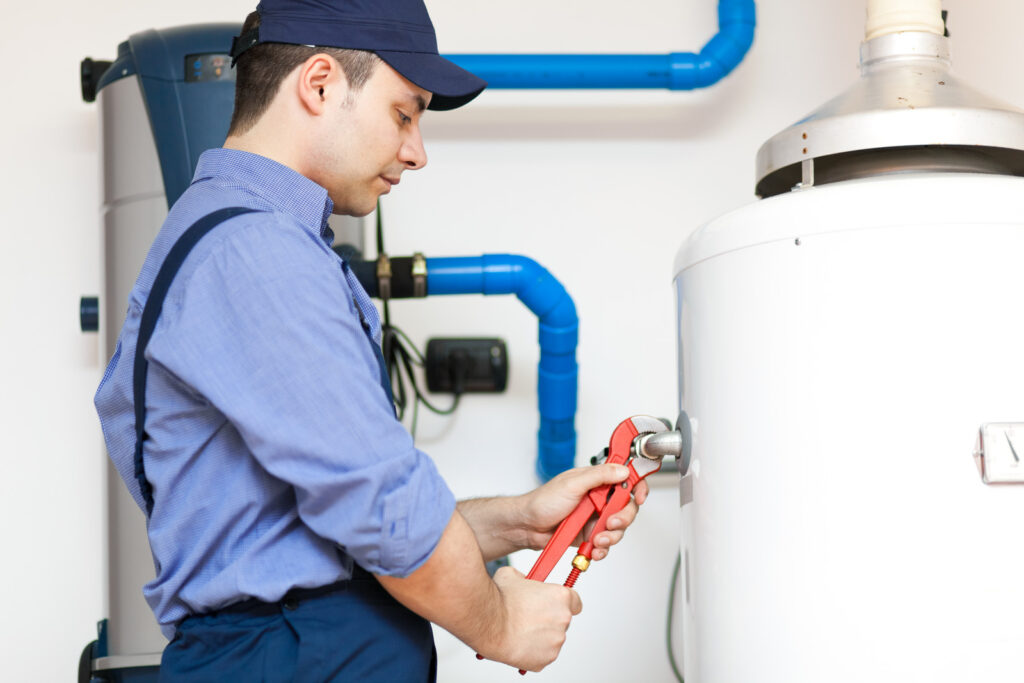
Cold water when it should be hot. That weird rumbling sound coming from the basement nobody can quite explain. Water sitting near the tank that definitely wasn’t there last week. Water heater problems show up without much warning usually, and when they do, most people immediately assume they need a whole new unit.
A lot of the time though, that’s not actually true. Plenty of the most common water heater repair situations are genuinely fixable without replacing anything. Knowing which ones saves real money and a lot of unnecessary stress.
This post runs through the problems a professional repair service actually handles regularly, what causes them, and what fixing them typically looks like.
Why These Problems Get Ignored Until They’re Worse
Easy to put off honestly. Hot water’s still coming out, just not quite as hot as it used to be. Weird noise happens sometimes, not constantly. The tank looks a little rough but it’s in the basement, out of sight, easy to forget about until it becomes impossible to ignore.
That pattern of brushing off small signs is exactly how minor fixable problems turn into bigger ones. Most water heater issues caught early are pretty straightforward repairs. Same issues left alone long enough sometimes cross into full replacement territory instead. Timing genuinely matters here.
Problem One: Not Enough Hot Water
Most common complaint honestly. The shower runs cold halfway through, dishes don’t get properly hot, hot water just runs out faster than it used to. Few different things cause this.
Sediment buildup inside the tank is a big one, especially in areas with harder water. Mineral deposits accumulate at the bottom over time, reducing how much water the heater can actually heat efficiently. Professional water heater repair service can flush the tank, remove the buildup, and restore capacity.
Failing heating elements in electric units cause the same symptom too. One element goes, the unit struggles to heat the full tank properly. Element replacement is relatively straightforward and significantly cheaper than buying a new unit entirely.
Problem Two: No Hot Water at All
Completely cold, not just running out quickly, actually no hot water at all. Different situation. Gas units, pilot light issues are usually behind this one, either the pilot’s gone out or the thermocouple controlling it has failed. Repair rather than replacement almost always.
Electric units losing all hot water often point toward a tripped breaker or a failed heating element. Tripped breaker, quick fix. Failed element, straightforward repair.
Neither automatically means a new water heater. Worth knowing that before assuming the worst and starting to shop around.
Problem Three: Takes Forever to Reheat
Used all the hot water, waited what feels like an unreasonably long time for it to come back. Recovery time noticeably slower than it used to be often points toward sediment buildup again, or a heating element starting to fail rather than completely gone yet.
Thermostat issues cause slow recovery too, unit not sensing temperature correctly, not running heating cycles as efficiently as it should. Professionals can test and replace thermostats fairly quickly, often restoring recovery time significantly without much drama.
Problem Four: Rumbling, Popping, Banging From the Tank
That noise from the basement that sounds like something boiling or knocking around inside. Sediment buildup again usually. Mineral deposits at the bottom get superheated during heating cycles, causing rumbling and popping that travels through the whole house sometimes.
Flushing the tank addresses this in most cases. Left long enough without flushing though, sediment becomes significant enough to cause real efficiency problems and eventually damage the tank itself. Water heater repair at the rumbling stage is still usually straightforward. Waiting until the tank’s actually damaged, considerably less so.
Problem Five: Rusty or Discolored Hot Water
Brown or reddish water from the hot tap specifically, concerning signs. Often means the anode rod inside the tank has failed. Anode rod is a sacrificial component designed to corrode instead of letting the tank itself corrode, basically protecting the tank from the inside out.
When the anode rod depletes completely, the tank itself starts corroding, rust shows up in the water. Replacing an anode rod before tank corrosion begins, relatively inexpensive repair. Once the tank itself is corroding though, replacement usually becomes the only real option left.
Having a professional check anode rod condition regularly, every three to five years depending on water quality, prevents this from sneaking up.
Problem Six: Water Leaking Near the Tank
Water on the floor near the water heater, nobody’s favorite sight. Could be a few different things though, and not all of them mean the tank itself is leaking.
Temperature and pressure relief valve leaking is actually pretty common, usually a straightforward fix. This valve opens to release pressure when it gets too high, and sometimes the valve itself just fails and starts dripping. Replacement is relatively simple for a qualified technician.
Loose inlet and outlet connections can cause dripping too, looks more alarming than it actually is. Tightening or resealing connections fixes it.
Actual tank corrosion causing leaks though, that’s a replacement conversation. Corroding tanks can’t be patched effectively and pose both water damage and safety risks if left running.
Problem Seven: Pilot Light Won’t Stay Lit
Gas water heater pilot keeps going out, relighting works temporarily but keeps happening again and again. Thermocouple failure is usually behind this. Small sensor that detects whether the pilot’s actually burning and keeps the gas valve open accordingly. When it fails, the gas supply shuts off, and the pilot goes out.
Thermocouple replacement is one of the more common and affordable water heater repairs, completely resolves the recurring pilot light issue in most cases. Straightforward job for anyone who knows what they’re doing.
When Repair Stops Making Sense
Worth saying clearly. Most problems listed above are fixable, but some situations make replacement the more financially sensible call. Unit past twelve years old with multiple issues happening simultaneously. Tank corrosion already advanced. Repair costs approaching fifty percent of what a new unit would run.
Professional water heater repair technicians should give an honest assessment here rather than defaulting to whichever option works out better for them financially. Worth asking directly.
Final Thoughts
Most common water heater problems, not enough hot water, strange noises, slow recovery, discolored water, pilot light issues, are actually fixable without replacing the whole unit. Catching them early and calling a qualified water heater repair service when symptoms first show up almost always costs less than waiting until things get significantly worse. Water heaters give plenty of warning before complete failure. Paying attention to those warnings and acting on them early keeps repair bills manageable instead of making replacement conversations unavoidable.
Frequently Asked Questions
What causes a water heater to stop producing enough hot water?
Sediment buildup reducing tank capacity and failing heating elements in electric units are the most common causes. Both are addressable through professional water heater repair without requiring full replacement, particularly in units that aren't approaching the end of their expected lifespan yet.
Is rusty water from the hot tap always a sign the water heater needs replacing?
Not always. If the anode rod has depleted but the tank hasn't started corroding yet, replacing the anode rod resolves it. If actual tank corrosion is causing the rust though, replacement is usually necessary since a corroding tank can't be effectively repaired long term.
How often should a water heater be professionally serviced to prevent problems?
Annual professional maintenance is generally recommended, including flushing sediment and inspecting components like the anode rod, pressure relief valve, and heating elements. Regular servicing extends unit lifespan and catches developing problems before they become emergency water heater repair situations.