
Most Kanata homeowners don’t think about their drains until something goes wrong. A slow sink. A bad smell. Water pooling where it shouldn’t. By that point, the damage is already building and the fix is usually more involved than anyone wants it to be. That’s exactly why drain maintenance Kanata matters and why it’s worth understanding before the first sign of trouble appears. This post covers what causes drain problems in Kanata homes specifically, how regular upkeep prevents bigger issues, and what drain cleaning services actually look like in practice. It’s not complicated. But skipping it consistently has real consequences.
Why Kanata Homes Face Specific Drain Challenges
Kanata isn’t just any suburb. It sits in the Ottawa region where winters are genuinely harsh, freeze-thaw cycles hit pipes hard, ground movement stresses underground lines, and older neighbourhoods carry infrastructure that’s decades old in places. Many homes in established Kanata communities were built in the 1980s and 1990s. That means the sewer and drain lines are aging. Joints loosen. Pipes settle. Tree roots and there are a lot of mature trees in this area find their way into cracks over time.
Add hard water to the mix. The Ottawa region has moderately hard water, which means mineral deposits build up inside pipes gradually. It doesn’t cause a dramatic blockage, it just quietly narrows the line until flow slows down and drain health starts to suffer. None of this is unique to Kanata, but it’s all present here. And it’s why preventive plumbing maintenance isn’t just generic advice, it’s relevant to conditions that affect these specific homes.
What Actually Happens Without Regular Maintenance
Here’s the honest version. Drains don’t fail all at once. They degrade. Slowly. The grease coating the inside of a kitchen drain line builds up a little thicker each week. The mineral scale inside a bathroom pipe narrows by fractions of a millimetre at a time. The hairline crack in a sewer line lets in just a few root fibres until it doesn’t.
Then one day it backs up. Or worse, it backs up into the home. Sewer backups cause significant property damage fast. Water damage from plumbing failures including backed-up sewer lines is consistently among the top causes of home insurance claims in Canada. The cleanup alone can run into thousands. That’s before any plumbing repairs to the actual line. Truth be told, most of those situations are preventable. A routine drain cleaning services visit every year or two would have caught the buildup, flagged the root intrusion, identified the failing joint before any of it became an emergency.
The Real Value of Preventive Plumbing Maintenance
Let’s talk about what preventive plumbing maintenance actually does not in theory, but in practice.
- A professional drain cleaning services visit typically includes clearing any buildup in accessible lines, checking flow rates across fixtures, and in many cases running a camera inspection through the main sewer line. That last part is where the real value is.
- Camera inspections don’t lie. They show exactly what’s inside the pipe grease coating, root intrusion, cracked joints, offset sections. Problems that give no external signs at all until they fail. Finding them early means the fix is targeted and relatively minor. Waiting until failure means excavation, emergency callouts, and full-scale sewer maintenance work.
- There’s also the matter of drain health across the whole home. Slow drains in multiple fixtures usually point to a shared line issue something a single plunger in one bathroom won’t fix. Regular plumbing inspections catch that pattern early, before it becomes a multi-fixture backup situation. After all, a plumber who visits annually costs a fraction of what emergency work costs. The math is straightforward.
Seasonal Timing: When Maintenance Matters Most
Kanata’s climate makes timing worth thinking about. There are two windows that matter most for drain maintenance Kanata homeowners.
Spring
After a Kanata winter, pipes have been through stress. Ground movement from freeze-thaw cycles shifts underground lines. Spring is when the damage from that movement shows up slow drainage, unusual smells, minor backups. A plumbing inspection run in spring catches anything that shifted or cracked over winter before it worsens through the rest of the year.
Fall
Before the ground freezes again, fall is a smart time to clear any buildup that’s accumulated through summer grease, organic debris, whatever’s collected in the lines. Going into winter with clean, clear pipes reduces stress on the system during the coldest months. Sewer maintenance done in fall is routine. Sewer maintenance was done in January because something failed. That’s a different story entirely.
What a Professional Drain Maintenance Visit Looks Like
For homeowners who’ve never had a routine drain cleaning services visit, the process is less invasive than most expect.
- A walkthrough of all fixtures checking flow, drainage speed, and any signs of backup
- Clearing of accessible drain lines using a motorised snake or hydro jetting equipment
- Camera inspection of the main sewer line where recommended
- Checking for early signs of root intrusion, pipe settlement, or mineral buildup
- A clear report of what was found and any recommended follow-up
The whole visit for a standard home takes a few hours. No excavation, no major disruption. And the information from a camera inspection alone knowing the actual condition of the main line is worth the cost of the visit on its own.
Good plumbing inspections don’t just fix problems. They give homeowners a clear picture of where the system stands.
Simple Habits That Support Drain Health Between Visits
Professional maintenance does the heavy lifting. But a few habits between visits make a real difference to drain health in Kanata homes.
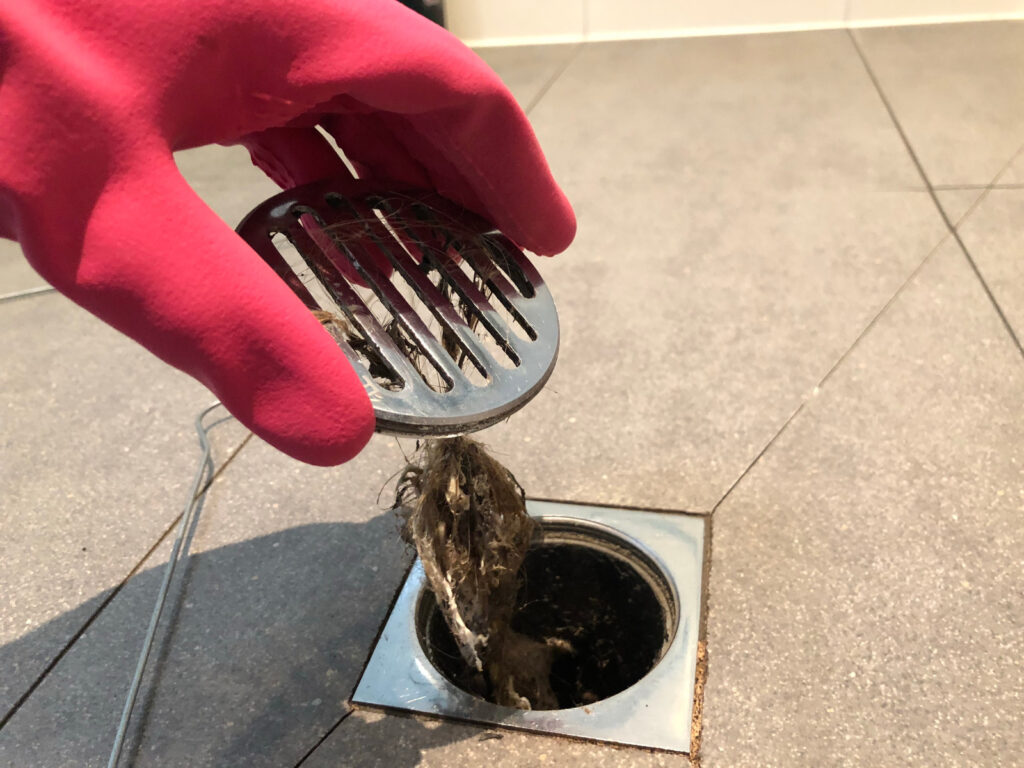
- Install hair catchers in all shower and bath drains empty them weekly
- Never pour cooking grease or fat down any drain, ever
- Run hot water through kitchen drains for 30 seconds after washing up
- Only flush toilet paper nothing marketed as ‘flushable’ actually is
- If a drain slows down, address it early don’t let it sit for months
None of this is complicated. But the difference it makes to preventive plumbing maintenance outcomes is real. Fewer callouts. Slower buildup. Less strain on the main line.
When to Call and When It Becomes Urgent
Routine drain maintenance Kanata should happen every one to two years for most homes. Older homes built before 2000 benefit from annual visits given the age of the lines.
Outside of scheduled visits, call sooner if:
- Multiple drains are slow at the same time
- There’s a sewage smell inside the home with no obvious source
- Toilets gurgle when sinks drain, or vice versa
- Water backs up into a tub or shower when the toilet flushes
Those signs point to a main line problem not a surface clog. That needs a professional drain cleaning service response, not another bottle of drain cleaner.
FAQs
Why is drain maintenance important?
Drain maintenance Kanata homeowners rely on prevents the slow buildup grease, minerals, root intrusion that causes sudden failures. Regular preventive plumbing maintenance catches problems while they're minor. Waiting until drains fail means emergency callouts, potential water damage, and significantly higher repair costs. Consistent upkeep is almost always cheaper than reactive sewer maintenance work.
Can drain maintenance prevent plumbing emergencies?
Yes, most plumbing emergencies don't happen randomly. They're the result of buildup or damage that went undetected. Routine plumbing inspections and drain cleaning services identify failing pipe sections, root intrusion, and blockages before they cause a backup. Good drain health across the home dramatically reduces the likelihood of an unplanned, costly emergency.
What does a drain maintenance service include?
A standard drain maintenance Kanata visit covers fixture flow checks, clearing of accessible drain lines, and camera inspection of the main sewer line where needed. The plumber assesses drain health across all fixtures, identifies early signs of buildup or damage, and provides a clear report. Some visits include hydro jetting for stubborn buildup as part of full sewer maintenance.