
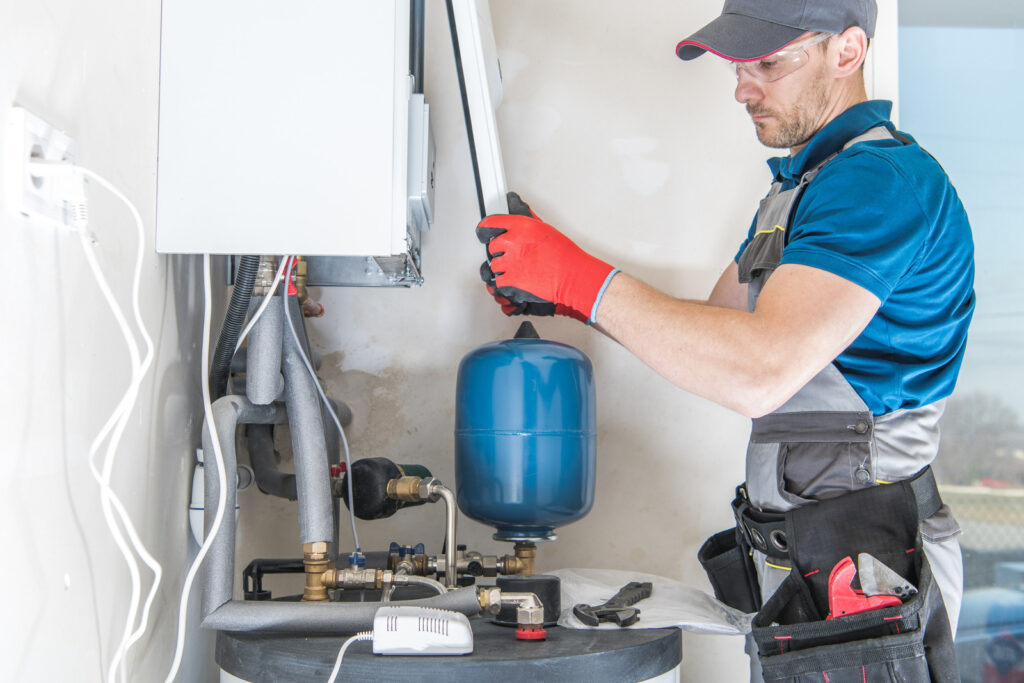
A failing water heater rarely gives much warning before it actually stops working. One day the hot water runs out faster than usual, and within a few weeks it’s barely lukewarm or not showing up at all. For most homeowners, that’s the point where water heater installation in Ottawa searches start, usually somewhere between wondering if a repair will fix things and realizing a full replacement is probably coming either way.
How Do You Know If You Need Repair or Replacement?
The first question that must be answered honestly is whether the unit really needs replacement or whether a repair can solve the problem.
Age is a sign. Most tank style water heaters last eight to twelve years. When a unit goes beyond that range repair work usually only patches the unit of fixing it for good. Rust‑colored water, a tank that is visibly leaking or that shows corrosion at the base rumbling or popping sounds from sediment buildup and water that changes temperature quickly all point toward replacement rather than repair.
A newer unit with one isolated problem, such as a bad thermostat or a broken heating element is usually worth repairing instead of replacing right away. The difference matters for money. Spending money on repairs for an old unit will cost more over time than replacing the water heater unit once it is clearly, past its useful life.
What Does Professional Water Heater Installation Actually Involve?
Professional water heater installation in Ottawa begins with an assessment of the existing system. It’s not about bringing in a new unit and replacing the old one. A qualified plumber will look at the tank size and compare it to how much hot water the household uses. They check the venting, gas or electrical connections and the water lines. They also make sure everything complies with building codes. Older systems often fall short so this step is important.
After the assessment the old water heater is. Disconnected. Then the new unit is placed carefully in position. The plumber connects it to the water supply lines. Links it to the gas, electric or venting system based on what kind of fuel the unit uses. Proper venting is something many homeowners don’t think about enough. Combustion appliances need venting that’s the right size to safely remove exhaust gases. This is where hiring a plumber really makes a difference. A DIY job can miss these details leading to safety risks.
Finally the installation ends with a pressure test and a function check. The plumber confirms the new unit heats properly and checks all connections, for leaks. Only after everything works correctly. Safely does the plumber leave the site.
Tank vs. Tankless: What’s the Difference?
Homeowners replacing an aging unit often reach a decision point between a traditional tank water heater and a tankless system. A tank unit stores and continuously heats a set volume of water, which is straightforward to install and typically has a lower upfront cost. A tankless system heats water on demand as it flows through the unit, taking up less space and often lasting longer, but usually costing more upfront and sometimes requiring upgraded gas lines or electrical service depending on the model and household demand.
Neither option is universally better. A larger household with high simultaneous hot water use might benefit more from a tankless system’s continuous supply, while a smaller household or one prioritizing lower upfront cost may be better served by a standard tank. This is a conversation worth having directly with a plumber who can assess actual household usage rather than deciding based on general assumptions.
What Affects Installation in Ottawa Homes Specifically
Ottawa’s mix of older and newer housing stock means installation conditions vary more than people expect. Older homes sometimes have outdated venting, undersized gas lines, or electrical panels that don’t meet current requirements for a straightforward swap, which can add time and cost to what looks like a simple replacement on paper. Permits are also part of the process in most cases, since water heater installations typically need to meet Ontario plumbing and gas code requirements, and a licensed plumber will handle that documentation as part of the job rather than leaving it to the homeowner.
Seasonal timing plays a role too. A water heater failure in the middle of winter tends to be more urgent than one discovered during a routine inspection, and scheduling around Ottawa’s colder months is a real factor worth planning for if a replacement is anticipated rather than sudden.
Not every installation goes smoothly. Sometimes the setup is not standard. That’s when having an experienced plumber really matters. This could be due to venting systems a tank placed in an unusual spot or switching from a traditional tank to a tankless model, which often needs extra piping work. It makes sense to ask a plumber if they are licensed and insured. You should also find out how they manage permits and what kind of warranty they offer—both for the water heater and the labor involved. Getting the job done right the time in Ottawa saves you from the much more common and expensive headache of fixing issues that pop up months later due, to a rushed or improper installation.
Replacing a water heater isn’t a task most homeowners deal with often, which is exactly why getting the details right the first time, from proper sizing to correct venting, matters more than it might seem going in.
FAQs:
What does a professional water heater installation actually involve?
A professional installation starts with checking the setup, including the size of the water heater tank, venting and gas or electrical connections. The old water heater is. Taken away. The new water heater is connected to the existing system. The plumber finishes with a pressure check and a test of the water heater function before leaving.
Should I choose a tank or tankless water heater?
A tank water heater costs less at first. Is easier to install. A tankless water heater heats water on demand takes up space and often lasts longer but the tankless water heater costs more at first. The right choice depends on how hot water the family needs and the gas or electrical capacity that already exists.
Do I need a permit for water heater installation, in Ottawa?
Most water heater installations need a permit to meet Ontario plumbing and gas code rules. This is especially true when gas lines or venting are involved. A licensed plumber usually handles the paperwork as part of the installation of leaving it to the homeowner.