
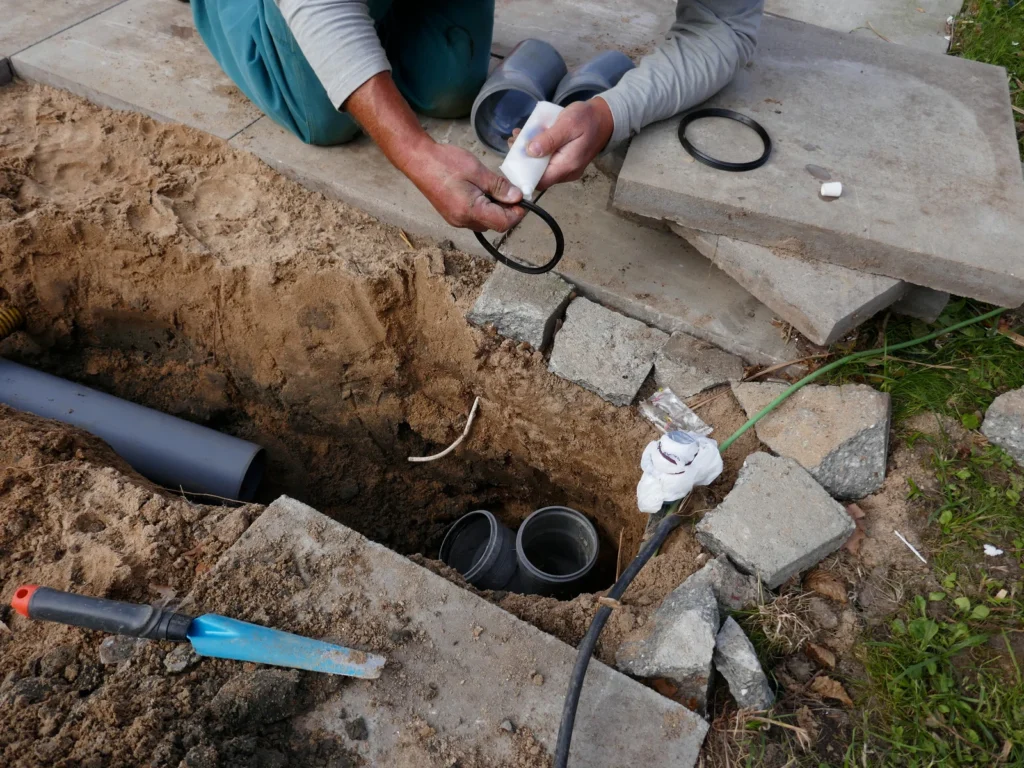
Here’s the situation most homeowners end up in. Something’s off with the water pressure. Or there’s a damp patch on the wall that wasn’t there last month. Maybe the water’s got a weird colour to it. And suddenly there’s a decision to patch it or replace it? Pipe replacement Kanata homeowners are dealing with is not a small decision. It affects water quality, home value, and depending on how long the wait, it affects a lot more than that. This post breaks down what replacement actually costs around Kanata, how it compares to repair, and how to figure out which one makes sense for the situation at hand.
Why Pipes Fail and Why Kanata Homes Are Particularly Exposed
Older homes in Kanata aren’t rare. A big chunk of the residential stock here was built in the 70s, 80s, and 90s which means a lot of the original plumbing is still in place. Still working, technically. But not for much longer in a lot of cases. Old pipe replacement becomes relevant when materials start reaching the end of life. Galvanized steel corrodes from the inside out slowly, then all at once. Polybutylene, used widely through the 80s and 90s, has a well-documented failure problem and most insurers treat it as a liability. Even copper, which lasts longer, eventually develops pinhole leaks and joint failures. Ottawa winters don’t help. Freeze-thaw cycles stress pipe joints and fittings every single year. Kanata’s older neighbourhoods have seen their share of sudden failures that trace back to slow deterioration nobody noticed until something burst. Truth be told, most pipe failures aren’t sudden. They’re years of small damage that nobody caught in time.
Pipe Repair Kanata vs. Full Replacement: The Real Comparison
This is the question everyone wants answered straight. Pipe repair Kanata makes sense when the problem is genuinely isolated. One bad joint. A single corroded section. A pipe leak repair on a copper line that’s otherwise in decent shape. If a licensed plumber scopes the system and confirms the damage is contained, repair is faster and cheaper. No argument there. The problem is when repair becomes a pattern. If the same section has been patched twice. If there are multiple leak points in different areas. If the pipe material itself is the issue galvanized, polybutylene then every repair is just delaying the same conversation. Usually making it more expensive when it finally happens. Plumbing pipe replacement starts making more financial sense than most people expect once they do the math on repeated service calls, water damage costs, and insurance implications. It adds up faster than it looks on paper.
What Pipe Replacement in Kanata Actually Costs
Residential pipe replacement costs in Kanata vary based on home size, pipe material being removed, what’s replacing it, and how accessible everything is. Walls and ceilings that need to come open add cost. Homes with finished basements or multiple stories add complexity.
Rough ranges:
- Single section or localized replacement: $500–$1,500
- Partial repipe (one floor or one system): $2,000–$5,000
- Whole-home repiping services: $5,000–$15,000+ depending on scope
Those are honest ranges. Not lowball numbers designed to get a foot in the door. Water line replacement, the main service line from the municipal connection to the house runs separately. Expect $1,500–$4,000 depending on depth, distance, and whether trenchless methods apply. Plumbing upgrades Kanata homeowners do during a repipe adding fixtures, upgrading to PEX, moving lines for a renovation can add to cost but often make sense to bundle while walls are already open. Timing it together saves labour.
What’s Actually Getting Replaced: Materials Matter
Not all pipes fail the same way, and not all replacements are equal.
- Galvanized steel corrodes internally, restricts flow, leaches rust into the water supply. When it’s gone, it’s gone. No patching galvanized that’s this far deteriorated.
- Polybutylene grey plastic pipe common in 80s and 90s builds fails at fittings and degrades with chlorinated water over time. Most plumbers won’t repair it. They’ll tell you upfront it needs to go entirely.
- Copper lasts longer but isn’t permanent. Pinhole leaks in copper usually signal acidic water or just age. Can sometimes be repaired, but multiple spots failing means plumbing pipe replacement is the more honest call.
- PEX is what most repiping services install now. Flexible, freeze-resistant, doesn’t corrode, easier to run through existing walls without major demolition. It’s become the default for good reason.
Signs the Repair Conversation Is Already Over
Some things are just telling you that replacement is the answer. If several of these are happening at once, a pipe repair Kanata patch isn’t going to hold long:
- Water pressure dropping progressively not after a single event, but gradually over months. That’s internal corrosion narrowing the pipe from the inside.
- Discoloured or rust-tinged water from taps. That’s not city sediment. That’s the pipes.
- Multiple leaks in different locations within a short window. One leak is a repair. Three leaks in eighteen months is a system telling you something.
- Visible corrosion or staining around fittings, joints, or where pipes pass through walls or floors.
- The home is 40+ years old with original plumbing that nobody has touched. At that point it’s not if, it’s when.
- Old pipe replacement at that stage is maintenance. Treating it like a crisis is how it becomes one.
How Long Does Replacement Actually Take
Depends heavily on scope. A single line or isolated section one day, often less. A partial repipe covering one floor or one system one to three days. Full residential pipe replacement on a larger home takes three to five days, sometimes more if the home is complex or walls are heavily finished. Most reputable repiping services give a timeline upfront and stay reasonably close to it. The main cause of delays is finding additional problems once walls are opened, which happens, and is worth knowing ahead of time so it’s not a surprise.
FAQs
If the home is 40+ years old with original plumbing, a professional assessment is worth getting regardless of visible symptoms. Old pipe replacement becomes urgent with recurring leaks, dropping water pressure, or discoloured water. Polybutylene pipes specifically should be replaced regardless of age, the material is inherently unreliable and many insurers in Ontario flag it as a risk.
Residential pipe replacement in Kanata runs roughly $500–$1,500 for localized work, $2,000–$5,000 for partial repiping, and $5,000–$15,000+ for whole-home repiping services. Water line replacement from street to house usually adds $1,500–$4,000 separately. Always get written quotes from licensed plumbers phone estimates on this kind of scope aren’t reliable or binding.
Rust-coloured water, reduced pressure, visible corrosion near joints or fittings, damp patches appearing in walls or ceilings, and repeated pipe leak repair calls within a short period. Any one of these is worth investigating. Multiple symptoms together usually mean plumbing pipe replacement is the real conversation, not another temporary patch that buys a few months.
For isolated damage on pipes that are otherwise in decent shape repair wins. Faster, cheaper, done. But when the pipe material itself is failing, leaks are recurring, or the system is aging across the board, repiping services make more sense long-term. Pipe repair Kanata on a failing system is like replacing one bad tire on a car that needs four, eventually the whole job gets done anyway, just at higher total cost.