
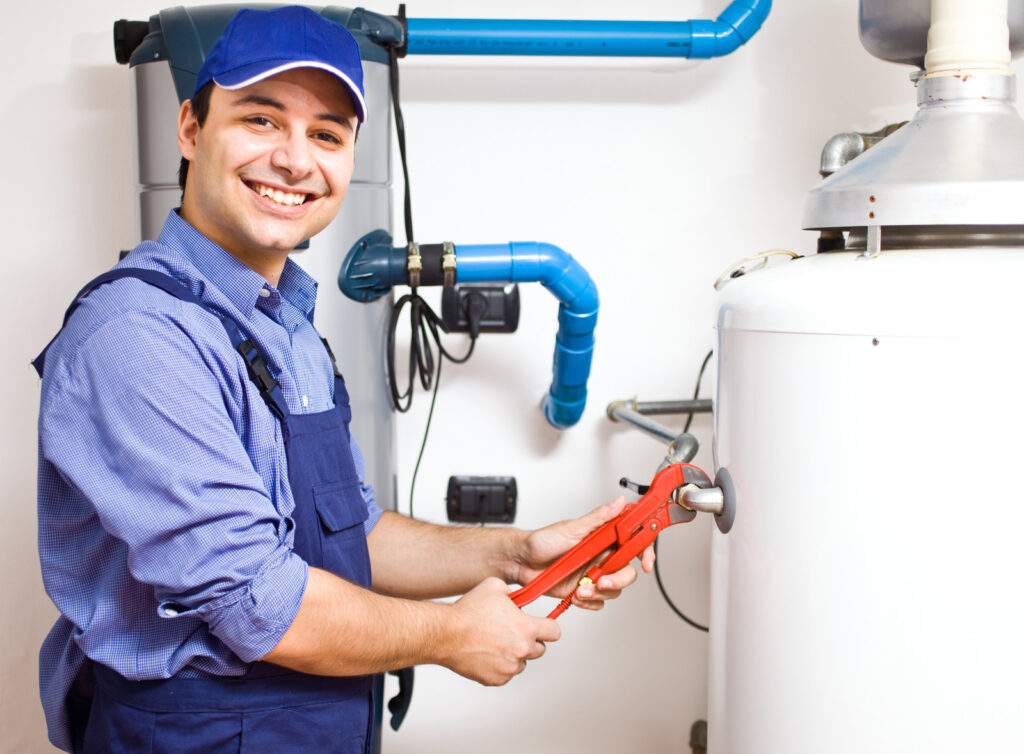
A sudden drop in a shower, a puddle near the base of the tank, an unsettling rumble in the basement. In many cases, the first indication of a water heater problem is not an easy-to-read owner’s manual message. Particularly in the dead of winter in Ottawa, when water entering the heater is near freezing, a misbehaving heater will not be ignored for long. This article will review the most common water heater issues, their likely causes, and what actions are reasonable for a homeowner to pursue before calling in a professional water heater repair service.
Why Is My Water Heater Not Producing Hot Water?
The most common causes are a failed heating element, thermostat, or breaker in the case of electric heaters, and a faulty pilot light or thermocouple in the case of gas heaters. Sediment and a broken dip tube could also make the heater supply only warm water.
Electric tanks
First, check the circuit breaker and try resetting it if it has tripped. Then, remove the access panel and locate the red reset button on the thermostat. It is usually found directly beneath the access panel and can be pressed if the tank has overheated. If the reset button has been pressed, a faulty thermostat is the most likely cause of the problem.
An electric heater has two heating elements, a lower and an upper one. If the water temperature is only warm, the lower element is most likely defective. On the other hand, if there is no hot water at all, the cause is most likely in the upper element or the thermostat. Testing either the thermostat or the heating elements requires a multimeter and a powered-down heater, if the owner is not confident in their ability to perform this task, it may be best to call for a professional.
Gas tanks
A pilot light that fails to stay lit is commonly caused by a faulty thermocouple or burner blockage. The pilot light should be manually re-lit once, following the instruction sheet on the heater’s side. If the pilot continues to go out, the problem is most likely in the thermocouple or the gas valve. A gas smell is a serious safety concern, if present, evacuate the building and contact the gas company to shut off the gas supply. In Ontario, gas appliances can only be serviced by gas technicians certified by TSSA.
When Does My Water Heater Lose Hot Water Too Fast?
Sediment accumulation reduces the amount of hot water stored in the tank, making the heater lose hot water faster than normal. The same is true for a cracked dip tube because the incoming water will be discharged at the top of the tank, failing to be adequately heated. Another reason for a sudden decrease in the hot water supply could be that the household has grown larger since the heater was purchased.
What Causes a Water Heater to Leak?
Leakage is most commonly caused by a faulty connection or a defective valve. Less commonly, leaks can develop on the tank itself. If there is a leak, the priority is to identify the source because different causes may require different solutions. Water dripping near the top of the tank is most often the result of faulty inlet/outlet connections. Water dripping from the T&P valve (temperature and pressure relief valve) means that the pressure in the tank has become too high. The water dripping from the T&P valve may also be the result of thermal expansion. Water dripping from the drain valve is normal in older heaters as a way to release pressure.
Water dripping from underneath the tank is a cause for greater concern because it will most likely mean that the tank has failed. A sacrificial anode rod is usually responsible for protecting the steel tank from rust. Once the anode rod loses its protective qualities, the tank begins to corrode from the inside. Condensation can also cause false leaks on gas heaters, especially if a large amount of cold water has entered the tank. The area around the tank should be dried to see if the leak is a result of condensation. If there is no condensation, the leak may be coming from the connections or the drain valve.
If the leak is coming from the tank, the next step is to turn the power off (breaker or gas control to pilot) and the cold water supply to the tank off. Towels and a bucket may also come in handy, and a professional plumber should be called in as soon as possible. A water heater leaking should not be left alone for more than a day or two because the damage to the floor, carpets, and subfloor can be extensive and very costly to repair.
Unusual Sounds, Smell, and Water Stains
Popping and rumbling noises are usually caused by mineral deposits that insulate small pockets of water, causing them to erupt, creating the sound. Flushing the heater usually removes the deposits. If the deposits have been accumulating for a long time, they may encrust the tank, making it necessary to call a professional. A rotten egg smell is usually caused by bacteria interacting with the anode rod. Increasing the temperature for a few hours and flushing the tank usually helps, but a permanent solution may require replacing the anode rod. Water with a rusty appearance only coming from the hot water taps is a sign that the heater’s tank is faulty and should be replaced as soon as possible.
Water Heater Maintenance That Prevents Most Issues
One of the best things a homeowner can do for a water heater is to schedule annual maintenance. A few simple procedures can prevent many minor issues from arising. Flushing the tank removes the mineral build-up in the heater, preventing it from encrusting the tank. Testing the T&P valve ensures that it will actually release pressure if necessary. Checking the anode rod every few years is also important because a failing anode rod will compromise the integrity of the tank. Adjusting the thermostat to between 49-52°C (120-130°F) reduces the risk of scalding while also preventing unnecessary energy waste.
None of these procedures require any special equipment beyond a garden hose, but a professional water heater repair service can also perform them during an annual maintenance appointment if desired.
Should I Repair or Replace My Water Heater?
The age of the heater is an important factor in the decision-making process. Most storage tank heaters have a lifespan of 8-12 years (the manufacturing date can usually be found on a label affixed to the tank). If the heater is relatively new, it may be cost-effective to simply repair the faulty part. If the heater is older, a broken tank may be a sign that it is nearing the end of its lifespan. A local water heater repair service can help the owner determine which of the two options is more reasonable based on the situation.
A rule of thumb that many plumbers use when recommending repair or replacement is the value of the repair relative to the expected service life of the heater. If the repair is fairly inexpensive but the heater is expected to provide at least another year of service, the repair is probably worth it. If the repair is expensive and the heater is expected to last only a year or two, it may be more cost-effective to simply replace it with a new tank or a tankless heater. In terms of long-term savings, a more efficient heater could also reduce the homeowner’s heating bill, particularly in a cold climate such as Ottawa.
When Should I Call a Professional?
It is usually best to call a professional plumber in for a water heater inspection or repair if the gas smells strange, the T&P valve is faulty, the tank leaks water, or an electrical circuit continues to be tripped after an inspection. It is also best to call a professional plumber if the heater was installed in a confined space or if the repair is beyond the skillset of an amateur plumber. The professional will be able to offer sound advice and inspect the heater to identify the issue. A local water heater repair service such as The Irish Plumber can also help the homeowner determine whether a repair is worth pursuing or if replacing the tank with a new one is a more cost-effective solution. Getting the repair done right the first time will save the homeowner time and money spent on unnecessary repairs.
FAQs:
[sp_easyaccordion id=”5983″]