
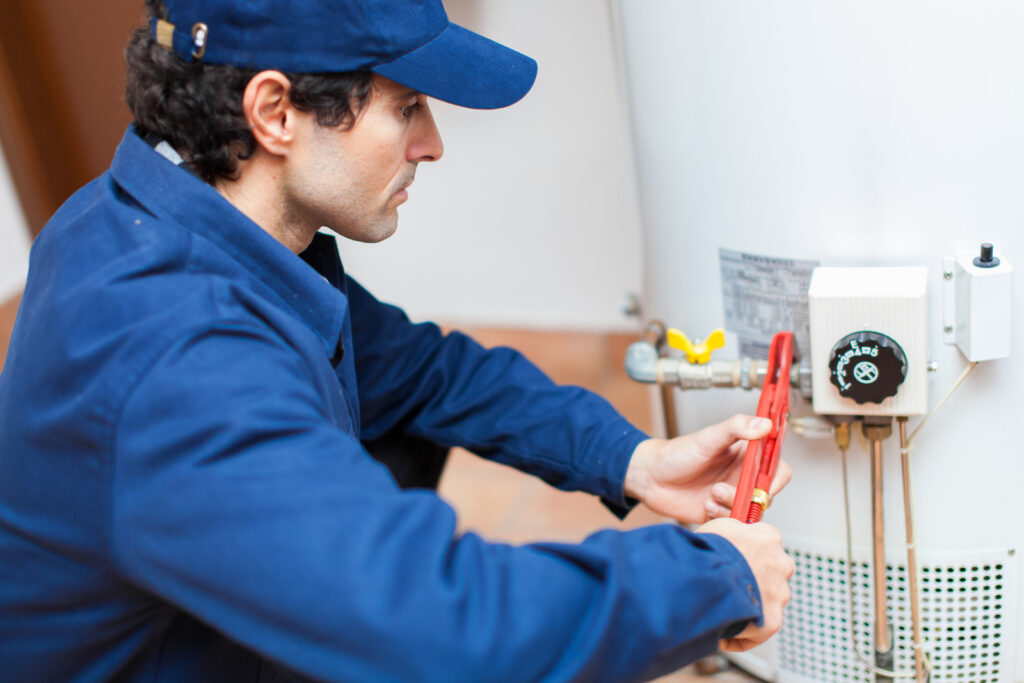
A water heater dying doesn’t always happen gradually with plenty of warning. Sometimes it’s a sudden puddle on the basement floor, and suddenly there’s a decision to make about whether this is a weekend DIY project or something calling for an actual water heater installation service. That decision matters more than a lot of homeowners realize going in, and getting it wrong in either direction, attempting something too complex alone, or paying for professional help on something genuinely simple, costs either safety or money unnecessarily.
This post works through when professional installation is actually necessary, when it’s strongly recommended even if technically optional, and the situations where the DIY route might reasonably make sense instead.
When Professional Installation Is Non Negotiable
Gas water heaters require professional installation essentially every time, full stop. Gas line connections, proper venting, and combustion safety checks involve genuine risk if done incorrectly, carbon monoxide exposure and fire hazard both being real possibilities with improper gas water heater installation. This isn’t an area where DIY confidence should override the actual safety stakes involved.
Any installation requiring electrical panel work, upgrading circuits for a larger electric water heater, for instance, needs a licensed electrician involved regardless of how comfortable someone feels with basic wiring. Panel work carries serious risk, and most jurisdictions require permits and licensed work for this specific type of installation anyway.
Truth be told, even confident DIYers sometimes underestimate how much can go wrong with water heater installation specifically. A water heater installer brings not just technical skill but liability coverage that protects a homeowner if something does go wrong during or after installation, protection that a DIY attempt simply doesn’t have.
Situations Where Professional Help Is Strongly Recommended
Switching from a tank to a tankless system represents a significant enough change in system type that professional installation makes sense even for someone reasonably handy. Tankless systems have different venting, gas or electrical demand, and space requirements than traditional tank units, and getting these details wrong affects both safety and system performance considerably.
Any situation involving existing damage or unusual circumstances, water damage from a previous leak, corroded shutoff valves, unusual plumbing configurations in an older home, benefits from professional assessment even if the actual replacement seems straightforward on the surface. A water heater installation service catches these complications before they become bigger problems during or after installation.
First time replacements for anyone without direct prior experience also fall into this recommended category. A single mistake during installation, an improperly sealed connection, incorrect venting, wrong sizing for the space, can create issues ranging from minor inefficiency to genuine safety hazards, and the learning curve isn’t one most homeowners should navigate on their actual functioning water supply.
When DIY Might Reasonably Make Sense
A straightforward electric tank water heater replacement, same size, same location, no electrical panel changes needed, is about as close to a reasonable DIY water heater installation project as this task gets. Even here though, proper technique for connections, pressure relief valve installation, and following manufacturer specifications precisely still matters enormously for safety and performance.
Someone with genuine, direct prior plumbing experience, not just general handiness but actual experience with water line connections and understanding of local code requirements, is in a different position than someone attempting this for the first time based purely on online tutorials and general confidence.
Even in these more DIY appropriate scenarios, checking local permit requirements matters. Many municipalities require permits and inspection for water heater installation regardless of who’s doing the actual physical work, and skipping this step, even for a technically successful installation, can create problems later during a home sale or insurance claim.
What a Professional Water Heater Installer Actually Provides
Proper sizing assessment ensures the new unit actually matches household hot water demand, something that’s easy to get wrong without professional guidance, leading to either inadequate hot water supply or unnecessary energy costs from an oversized unit running inefficiently.
Code compliant installation protects against both safety issues and future complications, particularly relevant if a home sale happens down the road and an inspector identifies non compliant work that needs correcting before the sale can proceed smoothly.
Proper disposal of the old unit is a genuine convenience factor too, since water heaters aren’t simple curbside trash items in most municipalities, and a professional water heater installation service typically handles this removal as part of the overall installation package rather than leaving it as a separate hassle for the homeowner to sort out.
Warranty protection matters considerably as well. Many manufacturer warranties require professional installation to remain valid, and a DIY installation, even a technically successful one, can void coverage that would otherwise protect against premature component failure down the road.
The Cost Comparison Worth Understanding
Industry data suggests the cost difference between DIY materials and professional installation for a straightforward electric tank replacement is often smaller than homeowners initially assume, particularly once tool costs, potential mistakes, and the value of time invested get factored honestly into the comparison.
For gas installations specifically, the cost gap widens considerably given the specialized tools, testing equipment, and certification required for gas line work that a typical homeowner simply doesn’t have access to or qualification for, making professional installation not just safer but often more cost effective than attempting to acquire everything needed for a one time DIY gas installation.
Making the Right Call for a Specific Situation
Working through a few honest questions helps clarify the right path for a specific replacement. Is this a gas unit, or does it involve any electrical panel work? Is this a straightforward same size, same location replacement, or does it involve a system type change? Is there any existing damage or unusual plumbing configuration complicating the situation?
Answering these honestly, rather than defaulting purely to cost savings without weighing the actual risk and complexity involved, tends to produce the safer and often genuinely more cost effective outcome once everything’s properly accounted for.
Deciding when to hire a water heater installation service comes down to honestly assessing the specific installation’s complexity and risk level, rather than treating every replacement as either automatically requiring professional help or automatically simple enough for DIY. Understanding this distinction protects both safety and long term system reliability, ensuring the right level of expertise gets applied to a job that genuinely calls for it.
Frequently Asked Questions
What does a water heater installation service typically include beyond just installing the unit?
Most services include proper sizing assessment, code compliant installation, old unit removal and disposal, and testing to ensure safe operation. Many also provide warranty documentation, since manufacturer warranties often require professional installation to remain valid for coverage purposes.
Is DIY water heater installation ever a reasonable option?
It can be, specifically for straightforward electric tank replacements with the same size and location, no electrical panel changes involved. Even then, checking local permit requirements and following manufacturer specifications precisely remains essential for safety and long term system performance.
Why does professional water heater installation matter for warranty coverage?
Many manufacturer warranties explicitly require professional installation to remain valid. A DIY installation, even if technically successful, can void this coverage, potentially leaving a homeowner responsible for the full cost of repairs if a component fails prematurely down the road.