How a backwater valve protects your basement
During heavy rain or a fast snowmelt, the City sewer can fill faster than it drains. When that happens, sewage can flow backwards up your sewer line and out of the lowest drain in your house, usually the basement floor drain.
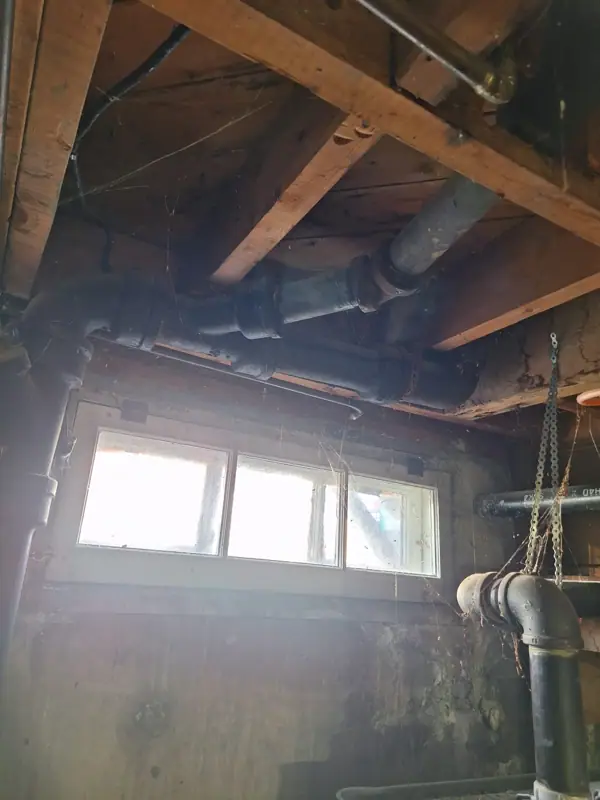
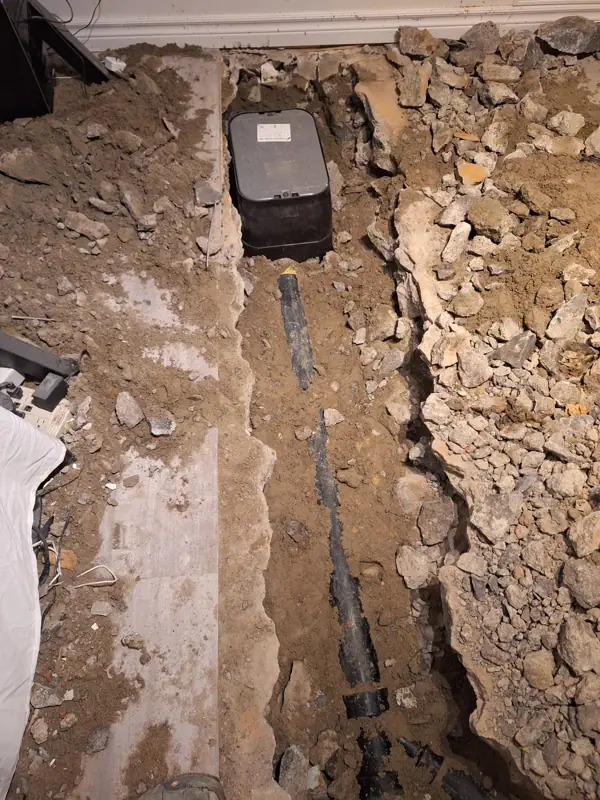
A mainline backwater valve sits in your building drain under the basement floor. Normally it stays open so your house drains freely. When sewage starts flowing back, a flap closes and holds it out. When the sewer drains down, it opens again.
Do you need one?
A backwater valve makes sense if:
- Your basement is finished, or you plan to finish it
- Your floor drain has ever backed up during a storm
- Your neighbours have had sewer backups
- Your insurer asks for one, or offers a discount for having one
- You're opening the floor anyway, for a drain replacement or a rough-in
A backwater valve stops sewer backup. It doesn't stop groundwater coming in through the walls or floor. That's what a sump pump and weeping tile handle. If you're not sure which problem you have, our basement check covers both.
The City rebate, and the order that matters
City of Ottawa Residential Protective Plumbing Program. The City pays the lesser of the maximum or the actual cost. Homes built before January 1, 2004 qualify for storm-side work and before January 1, 2012 for sanitary-side work. Replacing a device you already have doesn't qualify. Apply within one year of the permit. Source: ottawa.ca.
The single most common rebate mistake is installing before the permit. The permit has to come first. We pull it, install the valve to the City's standards, book the inspection, and give you the itemized invoice, permit and inspection report you need to apply.
Find out if your home qualifies
We'll check your eligibility and quote the install, permit and restoration in writing.
Have a sump pit too? Doing the valve and a battery backup sump together means one visit, one permit process and both rebates. See the Storm-Ready Sump Package.
How the install runs
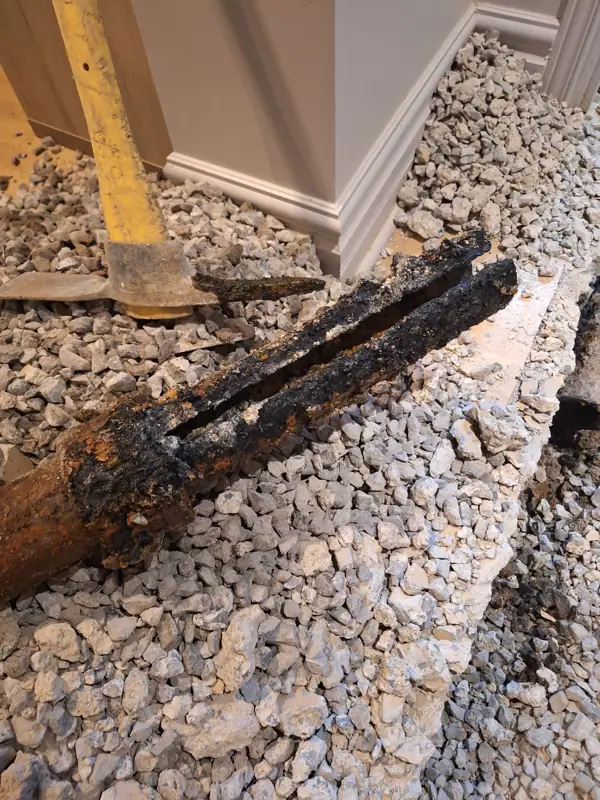
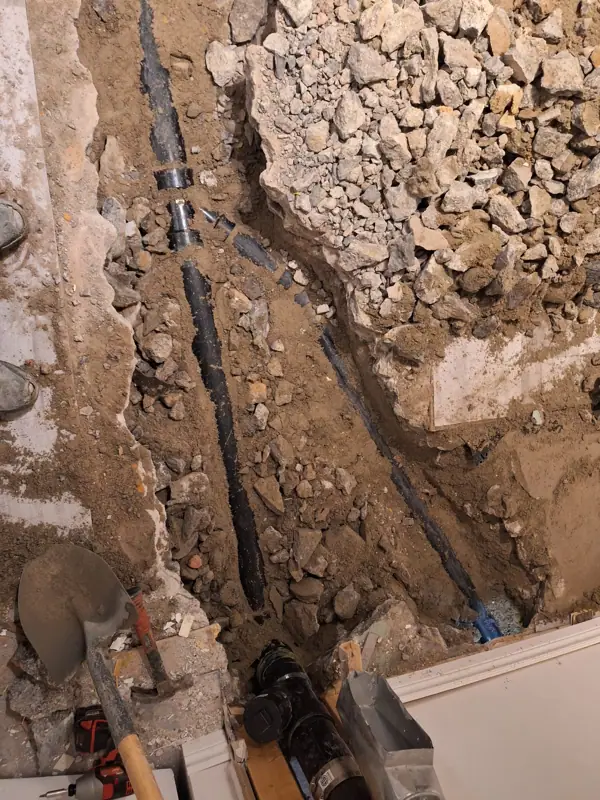
- Camera the line. We confirm the condition of your building drain and where the valve should go. If the old pipe is failing, you'll want to know before we cut.
- Permit.
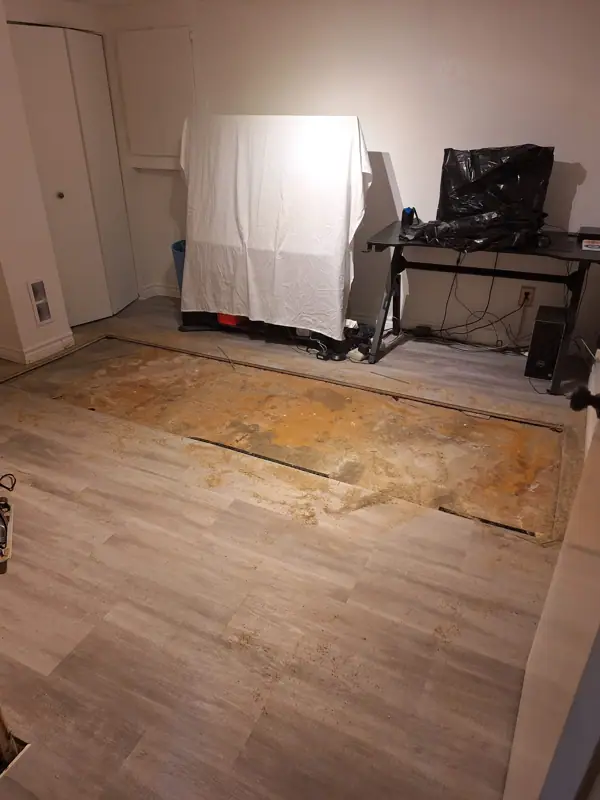
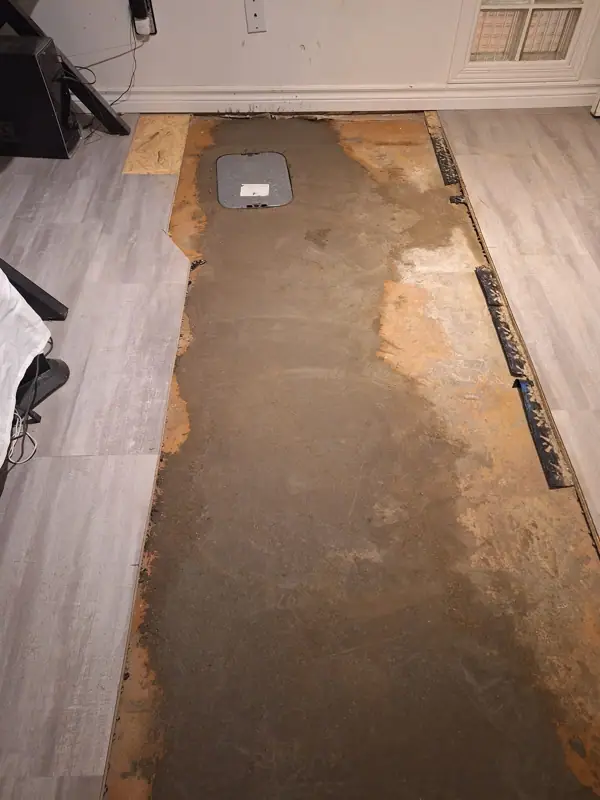
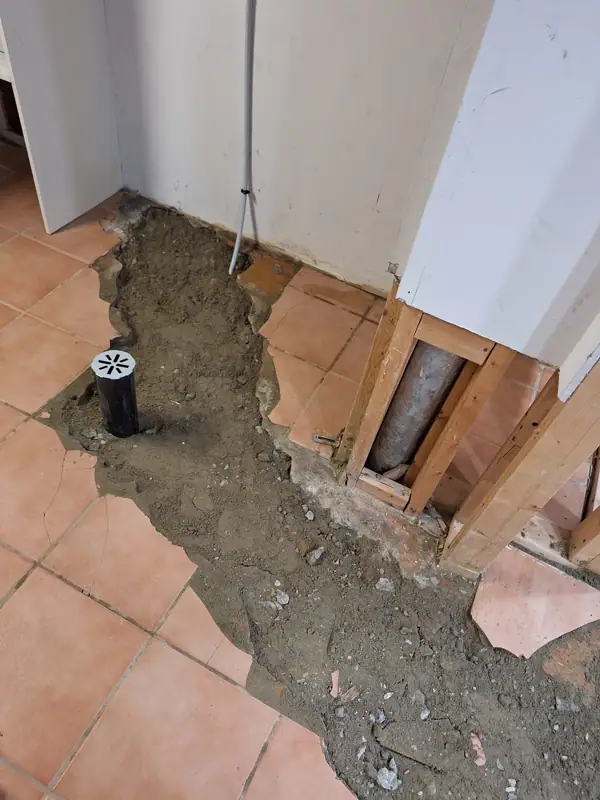
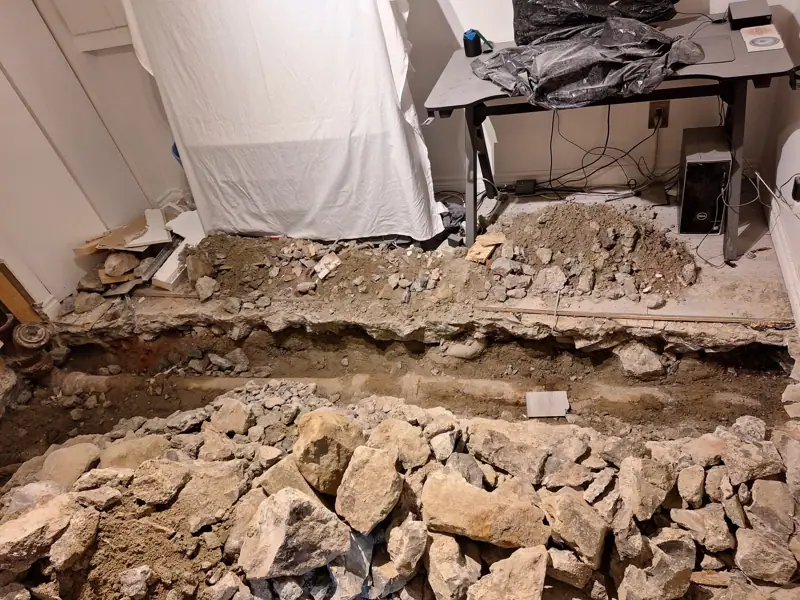
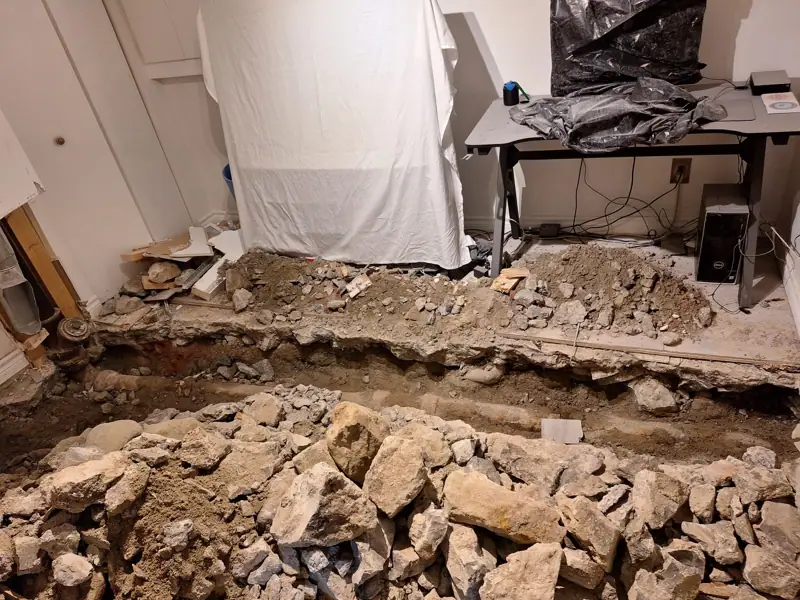
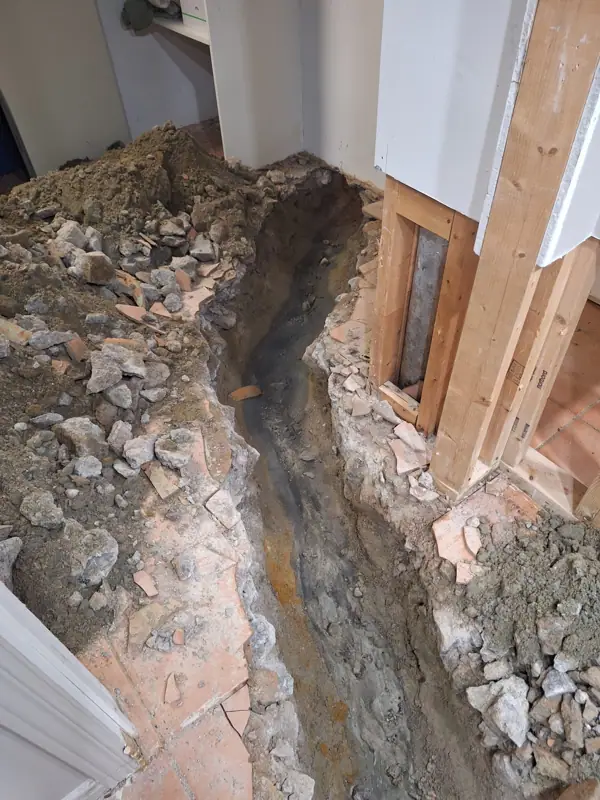
- Cut the floor. A neat opening at the valve location, with dust control.
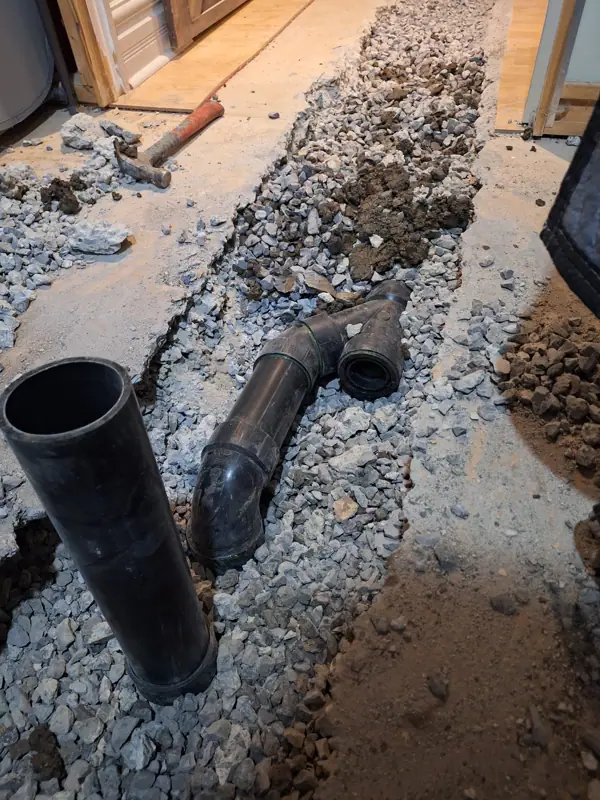
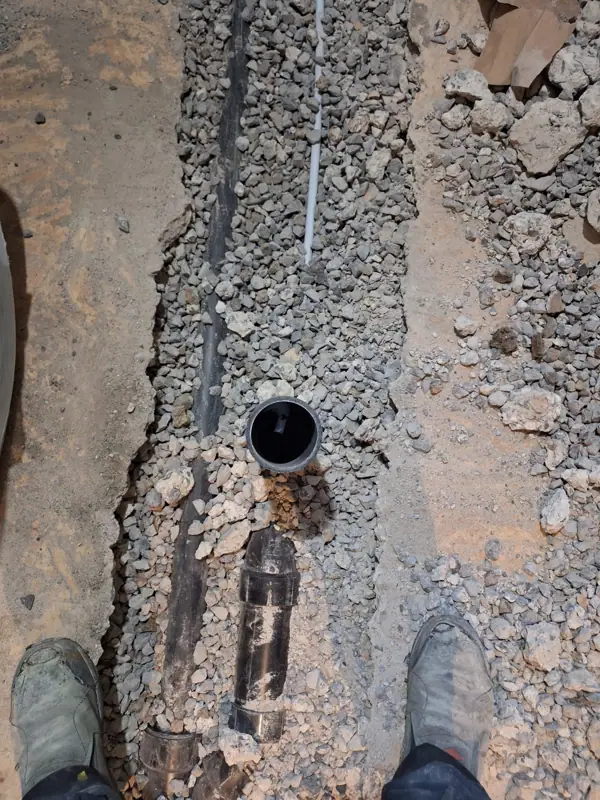
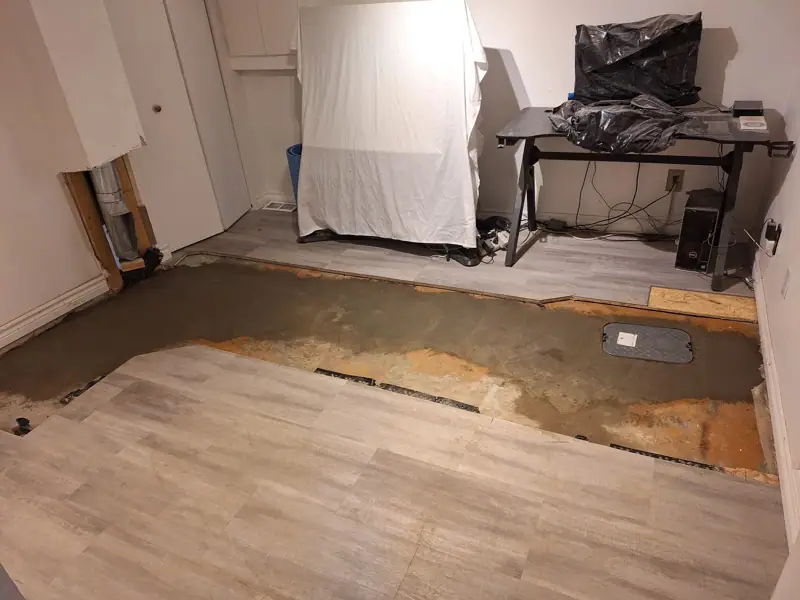
- Install the valve. A normally-open mainline valve, set level, with an access box so it can be inspected and cleaned.
- City inspection.
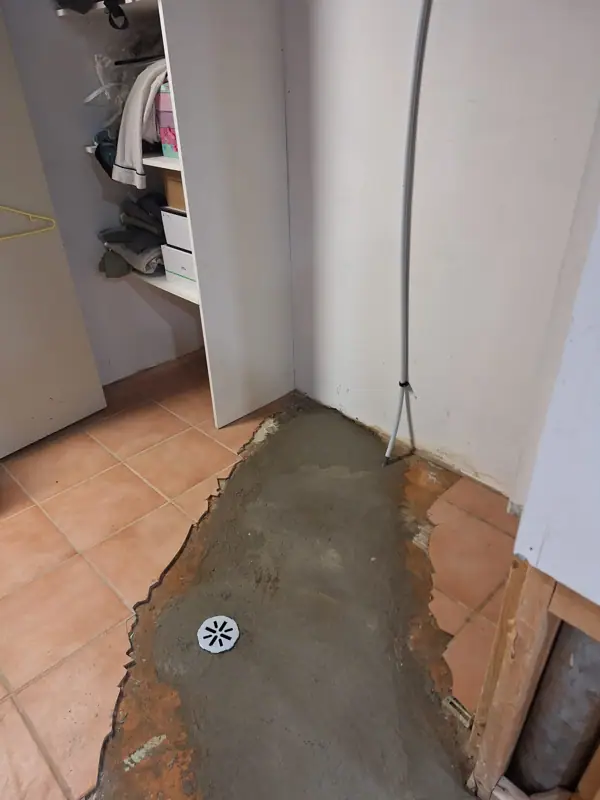
- Concrete and clean-up. Floor restored flush, with the access cover left in place.
Most installs are done in one to two days, plus the inspection.
What it costs
Installed backwater valves in Ottawa commonly run $1,500 to $3,000 including the permit, depending on how deep the drain is and what's in the way. Eligible homes can then claim up to $1,000 back from the City. You get our price in writing before anything is cut.
Looking after your valve
Open the access cover once or twice a year, check the flap moves freely, and clear any debris. We'll show you how when we finish. Don't put anything heavy over the cover.
Where basements back up most
Sewer backups hit hardest where storms overload the system. The 2002 and 2009 storms flooded hundreds of homes in Kanata and Stittsville, and the July 2026 Canada Day storm flooded hundreds more basements in the west end. We install backwater valves across the city, including Kanata North, Barrhaven, Nepean and Orléans, and in older homes in Westboro where the floor drain ties straight into the sanitary sewer.

Why the rebate needs it done right
- Trained to the national standard. A Red Seal plumber has finished a full apprenticeship and passed the interprovincial Red Seal exam.
- Done to code. Work built to the Ontario Building Code, with the permit pulled and the City inspection booked when the job needs one.
- Professional workmanship. The right materials, proper supports and clean joins between old pipe and new, so the repair lasts.
- Peace of mind. A 2-year workmanship warranty, and paperwork you can show your insurer or a future buyer.
Check any plumber on the Skilled Trades Ontario public register